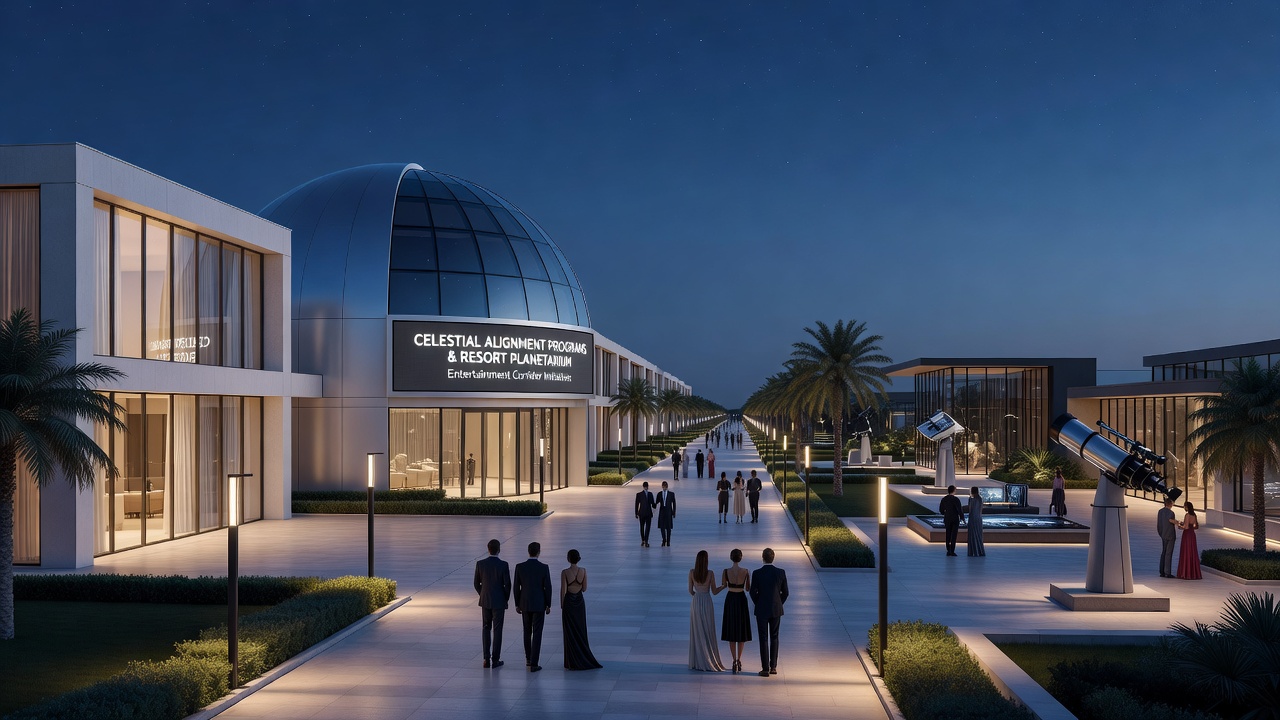
Aligning Celestial Observation Programs with Resort-Based Planetarium Installations Across the Boulevard's Entertainment Corridor
Las Vegas resorts along the boulevard's entertainment corridor have integrated planetarium installations that coordinate with external celestial observation programs, creating synchronized experiences for visitors interested in astronomy and night sky phenomena. These alignments draw on data from professional observatories and public stargazing initiatives to match real-time celestial events with indoor projections and outdoor viewing sessions.
Current Integration Efforts Along the Strip
Resorts have positioned planetariums within their entertainment complexes to complement desert-based observation sites located just outside the urban core, where light pollution drops significantly. Programs schedule sessions around predictable astronomical occurrences such as planetary transits and meteor showers, using software that pulls live feeds from remote telescopes. In August 2026 the Perseid meteor shower reaches peak activity around mid-month, prompting several corridor properties to adjust their dome schedules for simultaneous indoor simulations and guided outdoor watches.
Coordinators match projection content with data streams from facilities that track stellar positions and atmospheric conditions, ensuring the indoor displays reflect accurate orbital mechanics rather than generic animations. This approach requires precise timing protocols between resort technical teams and astronomy networks that operate across multiple time zones.
Technical Coordination Mechanisms
Planetarium systems in these installations employ high-resolution projectors calibrated to replicate star fields visible from Nevada's higher-elevation vantage points. Operators link these systems to observation programs through dedicated data pipelines that transmit coordinates and brightness values in real time. Resorts along the corridor participate in shared scheduling platforms that allocate viewing windows based on lunar phases and weather forecasts supplied by regional meteorological services.
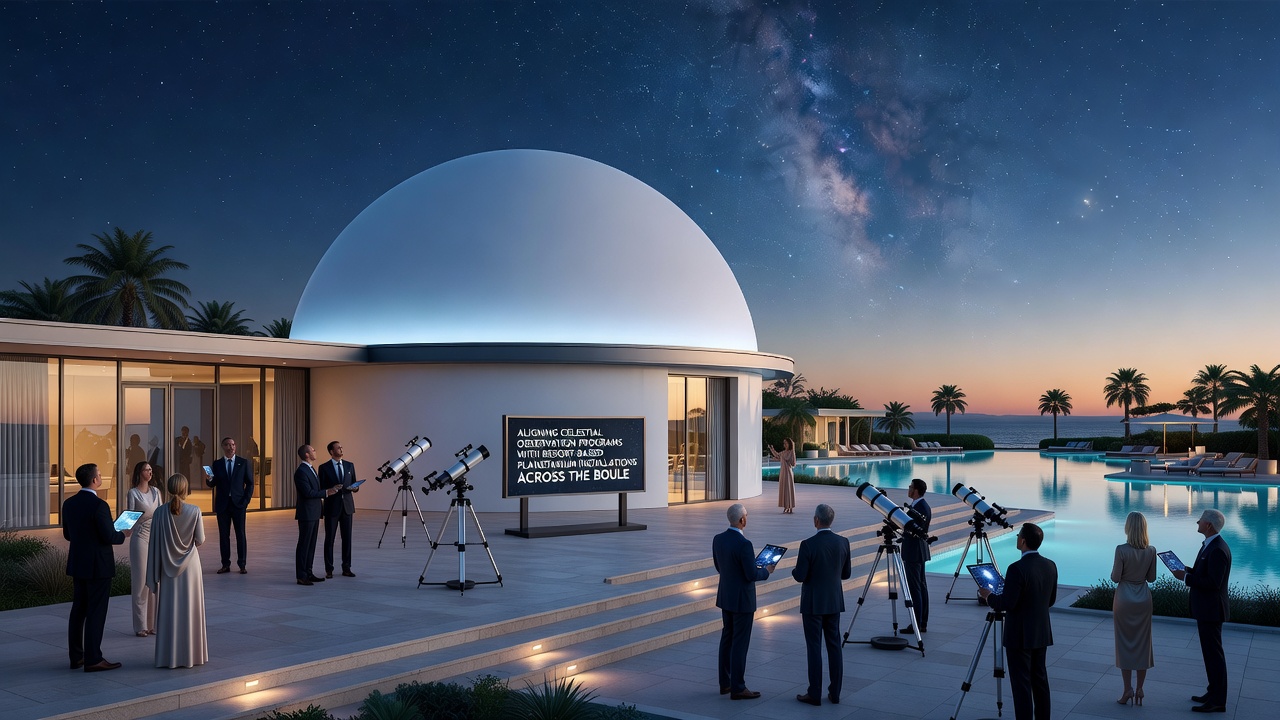
One documented case involves a major property that synchronized its dome calendar with an academic telescope array in the southwestern United States, allowing guests to compare projected models against live telescope feeds projected on secondary screens. The setup uses standardized file formats for celestial coordinates so updates from any participating observatory integrate without custom coding.
Role of External Data Sources
Programs rely on inputs from organizations that maintain public astronomical databases, including the NASA meteor shower tracking resources that publish annual peak dates and radiant points. Additional coordination comes from international networks such as those operated by European research consortia, which supply complementary data on variable stars and satellite passes. These sources feed into resort scheduling software that automatically adjusts show times to avoid conflicts with local events along the boulevard.
Resort operators report that alignment accuracy improves when multiple data streams undergo cross-verification before each session. This process incorporates atmospheric correction models derived from ground stations positioned at varying distances from the Strip, reducing discrepancies between projected and observed phenomena.
Operational Challenges and Solutions
Light spill from adjacent signage and traffic along the entertainment corridor creates ongoing calibration demands for both indoor domes and outdoor observation decks. Technical crews address this by installing adjustable baffles and timing exterior lighting reductions during scheduled celestial events. Data from Australian astronomy monitoring stations, which track southern hemisphere counterparts to northern events, occasionally supplements northern-focused feeds when global campaigns run concurrently.
Maintenance schedules for projection equipment align with periods of lower visitor traffic, allowing recalibration without interrupting ongoing programs. Resorts maintain backup synchronization protocols that default to pre-loaded star catalogs when live data links experience temporary interruptions from network congestion.
Future Scheduling Considerations
Planning for 2026 and subsequent years incorporates predictions of increased satellite activity that could affect naked-eye observations from desert sites near the corridor. Resort teams review orbital data from multiple government agencies to anticipate visibility windows and adjust programming accordingly. These preparations include updates to planetarium software that render satellite trails as distinct elements separate from natural celestial objects.
Conclusion
Resort-based planetarium installations along the Las Vegas boulevard maintain ongoing connections with external celestial observation programs through shared data protocols and coordinated scheduling. This framework supports accurate representations of astronomical events while accommodating the operational realities of an urban entertainment district. Continued refinement of these alignments depends on sustained access to verified astronomical datasets and adaptive technical infrastructure.