Cooling the Neon Inferno: Advanced Climate Control Strategies in Las Vegas Casino Complexes
Las Vegas casino complexes face unique demands from desert heat that reaches extreme levels during summer months, and operators have developed sophisticated climate control systems to maintain comfortable environments while managing energy and water resources. These facilities combine traditional air conditioning with evaporative cooling towers, district-wide chilled water loops, and emerging technologies that adjust in real time based on occupancy patterns and outdoor conditions. Data from regional utilities shows that casinos account for a significant share of commercial cooling loads in Clark County, which drives continuous investment in efficiency upgrades.
Engineering Foundations of Casino Cooling Networks
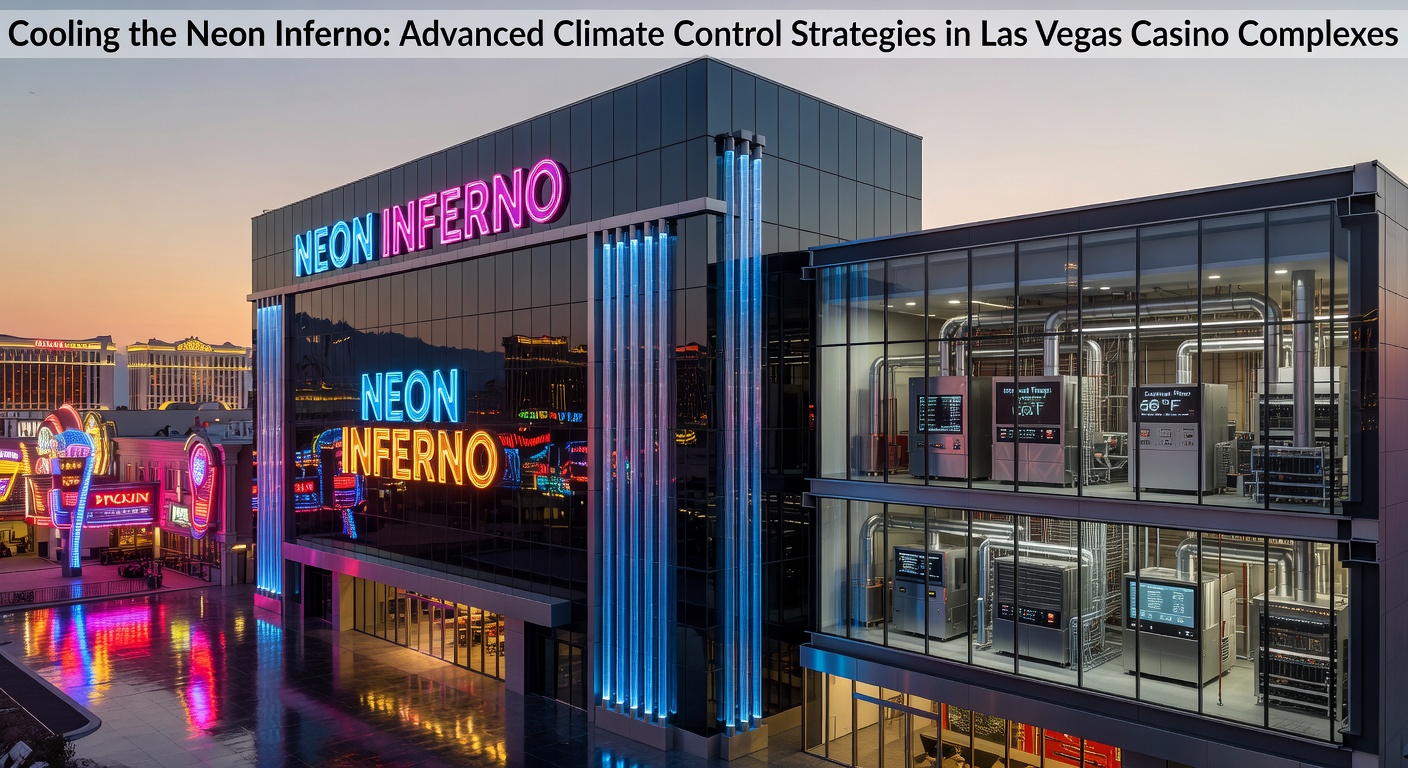
Most major properties rely on central plants that produce chilled water and distribute it through underground piping networks to multiple buildings, and this approach reduces the need for separate rooftop units on each structure while allowing operators to optimize equipment runtime across the entire campus. Engineers integrate variable speed drives on pumps and chillers so systems scale output to match demand rather than running at constant full capacity. Those who manage these plants note that Las Vegas's low humidity makes evaporative cooling particularly effective, although water consumption remains a key concern given the region's limited supply.
Water Management and Conservation Measures
Evaporative cooling towers lose water through evaporation and blowdown cycles, yet facilities have adopted drift eliminators, high-efficiency fill media, and automated conductivity controls that cut consumption compared with older designs. Some complexes now reclaim condensate from air handling units and route it back into cooling towers, while others partner with municipal reclamation projects to use treated wastewater instead of potable supplies. Figures from the Southern Nevada Water Authority indicate that large-scale users have lowered per-square-foot water use through these combined strategies, even as total cooling loads have grown with property expansions.
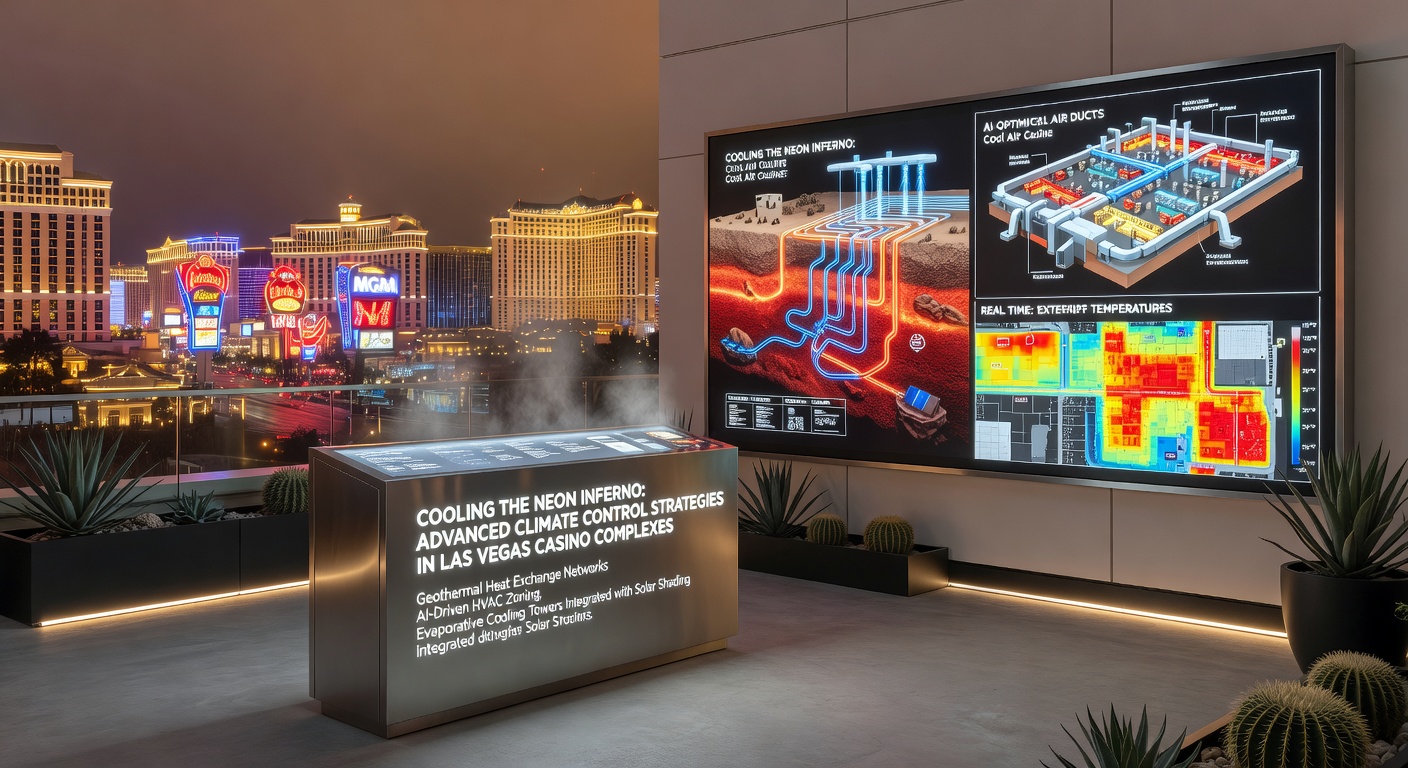
Advanced controls layer another level of efficiency by using sensors throughout guest areas, gaming floors, and back-of-house spaces to modulate airflow and temperature setpoints. Building management systems incorporate weather forecasts and event schedules so pre-cooling occurs during off-peak utility rate periods, and machine learning algorithms refine these predictions over time based on historical performance data. Observers note that properties implementing these systems report measurable drops in peak electrical demand, which helps stabilize the regional grid during the hottest afternoons.
Emerging Technologies and District Solutions
Geothermal heat exchange fields have appeared at several newer or renovated properties, where loops buried beneath parking structures or adjacent land absorb heat from condenser water before it returns to the cooling towers. This hybrid configuration reduces tower load during peak summer conditions and extends equipment life. Thermal energy storage tanks filled with chilled water or ice also allow facilities to shift production to nighttime hours when electricity costs and outdoor temperatures are lower, then release the stored cooling during daytime peaks.
Industry reports highlight pilot projects testing absorption chillers that run on waste heat from on-site generation equipment, and these units supplement electric chillers without adding to peak power draw. In May 2026, several Strip operators plan to unveil an expanded district cooling interconnection that will link multiple independent properties to a shared central plant, allowing surplus capacity at one site to serve neighboring facilities during maintenance outages or extreme weather events. Such interconnections build on earlier microgrid concepts already operating in parts of downtown Las Vegas.
Regulatory Context and Performance Tracking
Nevada state energy codes and Clark County building requirements set minimum efficiency standards for new installations, and operators track performance through continuous commissioning programs that identify drift in sensor calibration or control sequences. The American Gaming Association has compiled case studies showing how retrofits at existing properties deliver payback periods of three to seven years depending on utility incentives and equipment age. International Energy Agency analyses of arid-climate cooling systems provide additional benchmarks that local engineers reference when evaluating emerging options such as low-GWP refrigerants and advanced desiccant dehumidification.
Maintenance protocols emphasize regular inspection of heat exchanger surfaces, water treatment chemistry, and fan belt alignment because even small deviations compound across the scale of a casino complex. Training programs for engineering staff now include data analytics modules so technicians can interpret trends from the building management system and intervene before minor issues affect guest comfort.
Conclusion
Climate control in Las Vegas casino complexes has evolved from basic refrigeration into integrated networks that balance comfort, water stewardship, and electrical demand management. Continued refinement through district interconnections, thermal storage, and real-time optimization positions these properties to handle rising temperatures while meeting regulatory and resource constraints. The strategies developed here offer reference points for other high-density commercial developments facing similar environmental pressures.