
Coordinating Global Supply Networks for Rare Ingredients Across Las Vegas' High-End Kitchens and Seasonal Tasting Menus
Las Vegas high-end kitchens rely on intricate global supply networks to secure rare ingredients for seasonal tasting menus that rotate throughout the year and those networks operate through coordinated partnerships with producers in remote regions combined with precise logistics that maintain freshness across continents. Chefs at establishments along the Strip and in downtown districts source items such as white truffles from Italian forests, uni from Japanese waters, and microgreens from specialized hydroponic farms in the Netherlands while timing arrivals to align with menu changes that emphasize peak seasonal availability.
Global Sourcing Strategies and Producer Partnerships
Supply coordinators establish direct contracts with small-scale farmers and fisheries in multiple countries to secure consistent access to limited-harvest products and these agreements often include advance commitments for specific quantities that account for variables like weather disruptions or regulatory shifts in export rules. Data from the Food and Agriculture Organization indicates that international food trade volumes for specialty items have grown steadily since 2020 with air and sea freight routes optimized for perishable goods destined for North American hospitality hubs. In practice this means Las Vegas procurement teams monitor harvest calendars in South America for ingredients like Peruvian purple corn or Chilean sea urchin roe and adjust orders months ahead to avoid shortages during high-demand periods such as summer festivals.
Logistics and Cold Chain Management
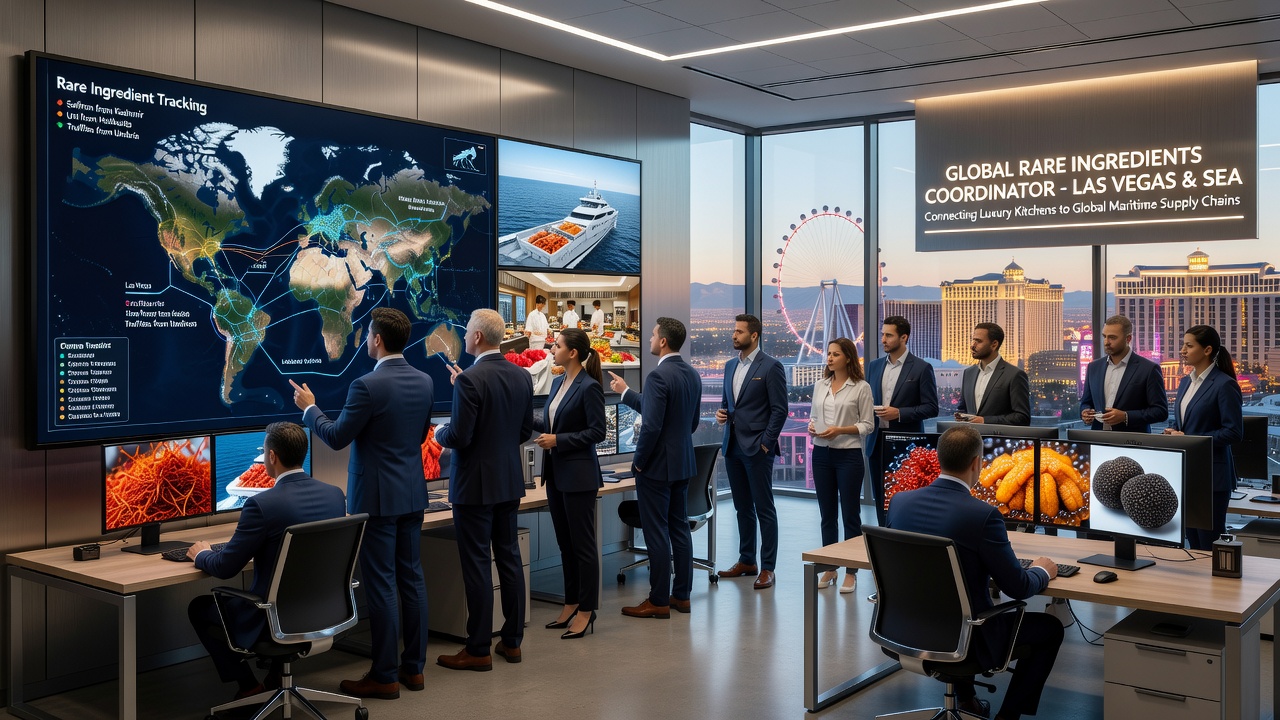
Once sourced the ingredients travel through multi-modal transport systems that combine refrigerated air cargo with temperature-controlled ground delivery and specialized firms handle customs clearance at ports like Los Angeles before final trucking to Nevada facilities. Observers note that maintaining unbroken cold chains proves essential for items like live scallops or delicate edible flowers because even brief temperature fluctuations can compromise quality and lead to waste. June 2026 schedules already incorporate projected increases in demand tied to major conventions where tasting menus feature limited-edition dishes and logistics planners cross-reference flight manifests with kitchen prep timelines to ensure just-in-time arrivals.
Regulatory Compliance and Quality Assurance
Compliance with United States Department of Agriculture guidelines governs the import of many specialty foods and additional checks from the Food and Drug Administration ensure safety standards for seafood and produce entering the supply stream. USDA trade reports document inspection volumes at major entry points while European Union food safety protocols influence sourcing from member countries where traceability requirements extend back to individual producers. Kitchen staff conduct secondary verifications upon receipt using laboratory testing for contaminants and sensory evaluations that confirm authenticity before ingredients reach the line.
Seasonal Menu Adaptations and Inventory Planning
Seasonal tasting menus in Las Vegas adapt rapidly to ingredient availability and supply teams use predictive analytics to forecast yields from key regions such as the Pacific Northwest for wild mushrooms or Australian waters for abalone. Those who've studied these operations point out that digital platforms now integrate real-time data from farms and ports allowing adjustments when events like El Niño patterns affect harvests and this flexibility supports menus that highlight rare items only during narrow windows of optimal quality. Inventory buffers remain minimal to preserve freshness yet sufficient to cover unexpected delays and waste reduction programs track every kilogram from arrival to plate.
Technology Integration in Supply Coordination
Blockchain-based tracking systems record each transfer point from harvest to delivery and these records provide transparency that satisfies both regulatory audits and diner inquiries about provenance. Research from academic institutions in Australia has examined similar networks in hospitality settings and found measurable improvements in delivery accuracy when IoT sensors monitor humidity and vibration levels during transit. Las Vegas operations apply comparable tools to coordinate across multiple venues where one central hub manages allocations for several restaurants and tasting rooms that share common suppliers.
Conclusion
Effective coordination of these global supply networks sustains the distinctive character of Las Vegas high-end dining by ensuring rare ingredients reach kitchens in optimal condition for seasonal tasting menus. Continued refinement of logistics partnerships and regulatory alignment supports ongoing menu innovation while meeting the precise demands of a dynamic hospitality environment.