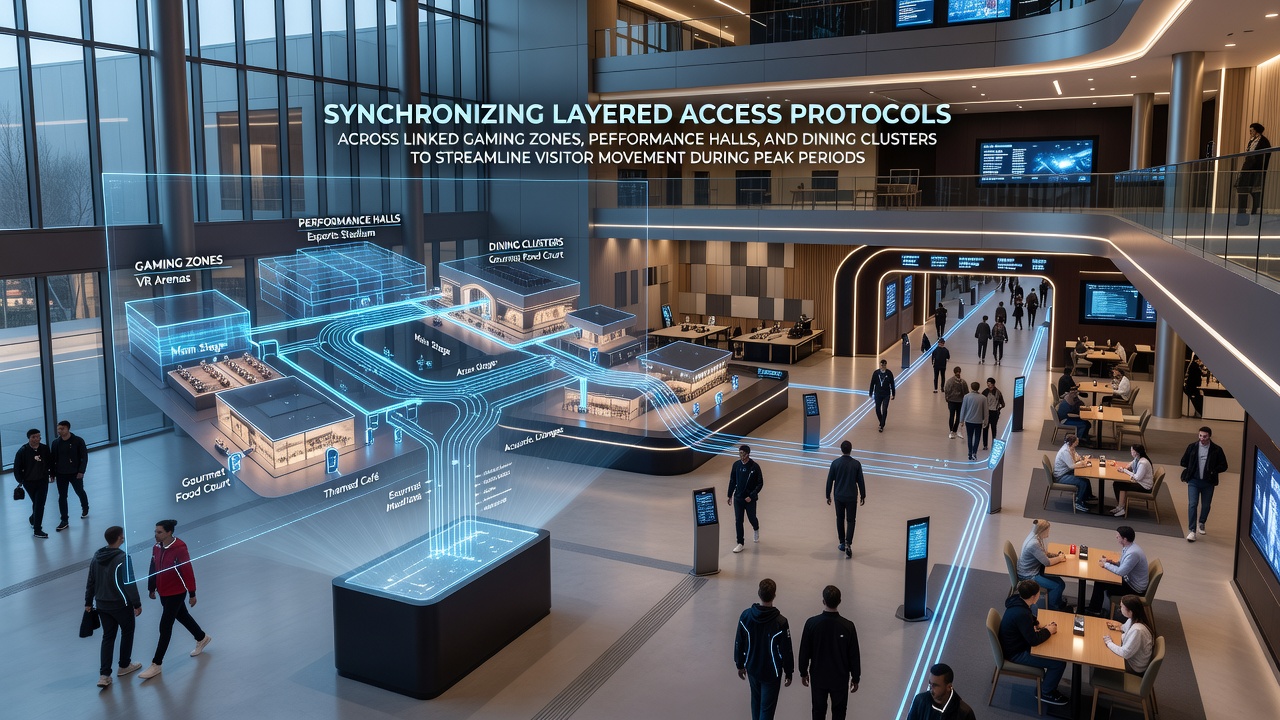
Coordinating Layered Access Protocols Across Linked Gaming Zones, Performance Halls, and Dining Clusters in Las Vegas Entertainment Districts
Las Vegas entertainment complexes operate extensive networks that link gaming zones directly to performance halls and dining clusters, and operators synchronize layered access protocols to manage visitor movement during high-traffic intervals. These systems rely on integrated digital credentials, real-time capacity sensors, and centralized dashboards that track entry points across multiple venues simultaneously. Data from the Nevada Gaming Control Board shows that major properties process over 50,000 daily entries on peak summer weekends, which prompts facilities to align their protocols so guests transition between areas without creating bottlenecks at shared corridors or elevators.
Core Components of Multi-Zone Protocol Systems
Access protocols begin at the gaming zone level where RFID-enabled wristbands or mobile tickets register entry and link to a guest's itinerary, then the same credential opens timed slots for performance halls or reserved dining tables in adjacent clusters. Sensors embedded in walkways feed occupancy numbers into algorithms that adjust throughput rates, opening additional lanes or delaying group entries when thresholds near capacity. Observers note that this layered approach prevents overcrowding in one zone from spilling over into another, especially when large conventions or holiday events coincide with regular weekend surges.
Performance halls integrate these same credentials through timed release gates that coordinate with show schedules, allowing guests who finish gaming sessions to move directly into seating areas while the system holds dining reservations until the performance concludes. Dining clusters receive advance notifications of incoming groups, enabling staff to stage tables and adjust kitchen throughput accordingly. Research from the University of Nevada, Las Vegas hospitality programs indicates that synchronized timing reduces average wait times at cross-zone transitions by up to 18 minutes during peak periods.
Handling Peak Periods and Seasonal Surges
July 2026 marks another summer season where Las Vegas expects elevated visitor volumes tied to national conventions and holiday weekends, and facilities have already adjusted their protocol layers to accommodate projected increases. Capacity data routed through underground server networks updates every 30 seconds, triggering automatic reallocations such as opening secondary entrances or shifting VIP access lanes to balance loads across gaming floors, theaters, and restaurants. Those who manage these systems report that predictive modeling based on prior July patterns allows preemptive staff deployment before crowds arrive.
Linked zones share a common data layer that flags when one area approaches saturation, prompting neighboring clusters to slow new entries until space opens. This creates a ripple effect that keeps overall movement fluid rather than allowing isolated backups. Industry reports from the American Gaming Association highlight how such coordination supports both guest satisfaction metrics and operational efficiency across resort campuses that span multiple city blocks.
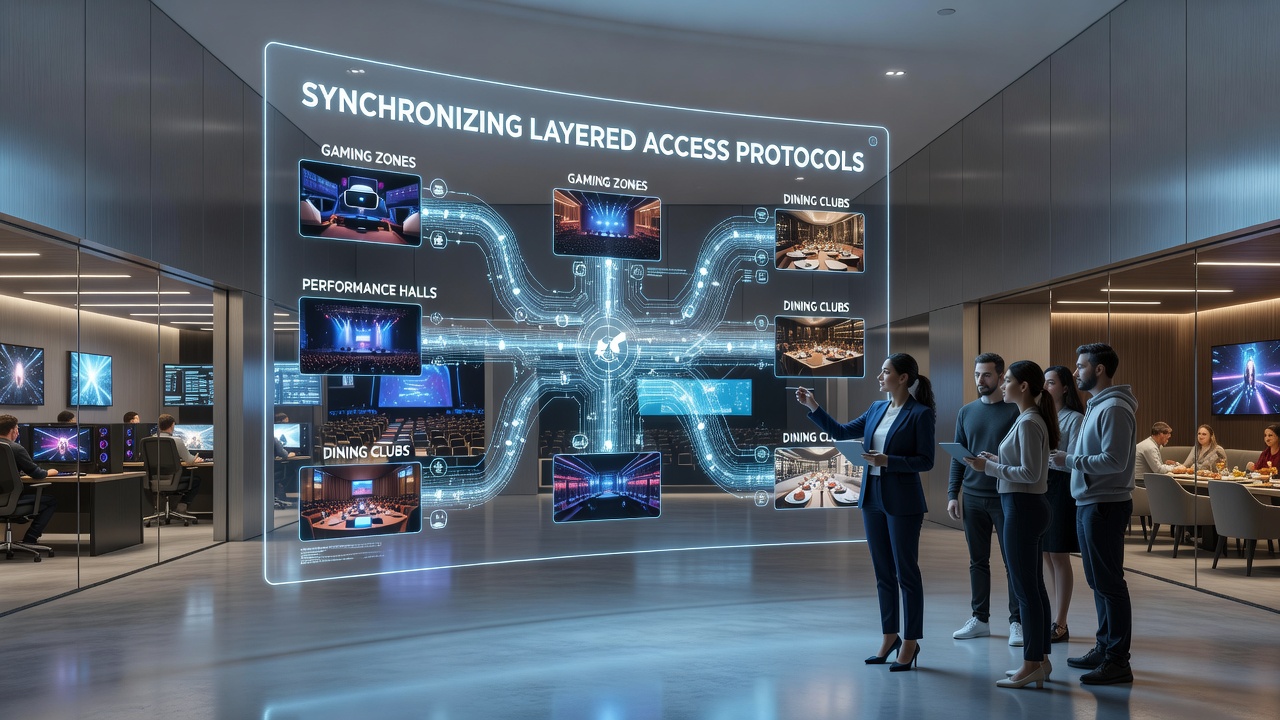
Technology Infrastructure Supporting Synchronization
Central control rooms monitor feeds from thousands of access points while machine-learning models refine predictions for crowd behavior based on historical patterns and live inputs. Mobile applications push notifications to guests when their next zone becomes available, guiding them along optimized paths that avoid congested routes. Facilities also maintain redundant power and network backups to ensure protocols remain active even during brief outages common in high-demand periods.
Staff training focuses on interpreting dashboard alerts and intervening manually only when automated adjustments fall short, which keeps human oversight minimal yet effective. External partners supply specialized software that merges ticketing, table management, and reservation systems into one unified interface, allowing operators to view and adjust all zones from a single console.
Observed Outcomes and Ongoing Adjustments
Properties that have implemented these synchronized protocols document measurable improvements in throughput rates adn reduced congestion at key junctions. Guests move between gaming sessions, shows, and meals with fewer delays, which in turn supports higher overall venue utilization. Continuous data collection from each July cycle feeds into refinements for the following year, creating an iterative process that adapts to changing visitor demographics and event calendars.
Conclusion
Layered access protocols across gaming zones, performance halls, and dining clusters form an essential framework for managing visitor movement in Las Vegas during peak times, and the integration of sensors, credentials, and predictive tools keeps operations aligned across connected areas. As July 2026 approaches, facilities continue refining these systems to handle anticipated volumes while maintaining smooth transitions for all guests.