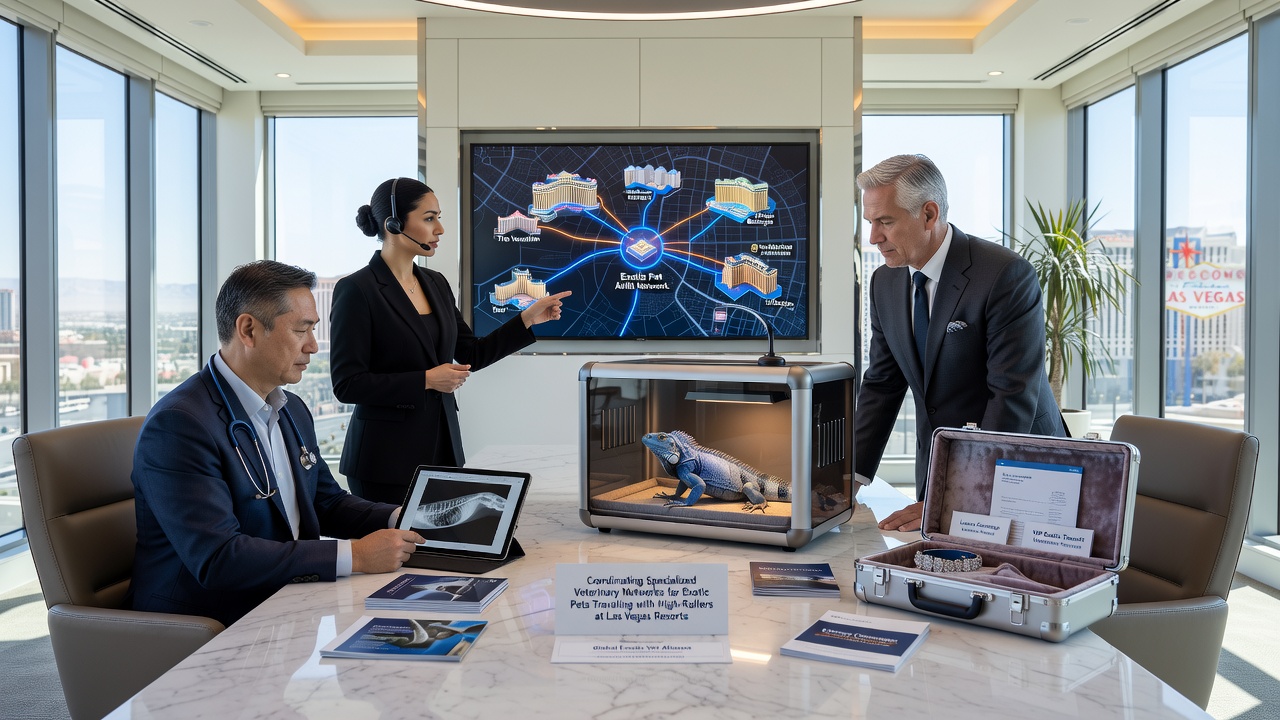
Coordinating Specialized Veterinary Networks for Exotic Pets Traveling with High-Rollers at Las Vegas Resorts
High-rollers visiting Las Vegas resorts often arrive with exotic pets that require dedicated veterinary coordination, including species such as large cats, rare birds, and reptiles that demand specific handling protocols during transport and stays. Observers note that these arrangements rely on established networks linking resort operations with licensed exotic animal veterinarians, state regulators, and international transport specialists who manage compliance with federal guidelines from the USDA Animal and Plant Health Inspection Service.
Transport Logistics and Regulatory Frameworks
Exotic pets traveling to Las Vegas undergo pre-arrival health certifications and quarantine checks that align with Nevada Department of Agriculture standards while also incorporating data from the Centers for Disease Control and Prevention on zoonotic disease prevention, and researchers have documented how these steps integrate with resort arrival schedules to minimize disruption for VIP guests. Teams coordinate private aircraft landings at Henderson Executive Airport or McCarran International with ground transport vehicles equipped for climate-controlled crates, and this process incorporates real-time monitoring of vital signs through portable telemetry devices that connect directly to on-call specialists.
August 2026 marks the scheduled rollout of updated federal import documentation requirements for certain avian species, prompting veterinary networks to adjust their tracking systems ahead of peak summer travel periods. Resorts maintain standing agreements with carriers certified under the International Air Transport Association Live Animals Regulations, ensuring that handlers follow species-specific guidelines for oxygen levels and temperature ranges during flights from locations as distant as Southeast Asia or South America.
Building Integrated Veterinary Response Teams
Specialized networks form through partnerships between board-certified exotic veterinarians and resort medical staff who share electronic health records via secure platforms, allowing immediate consultation when an animal shows signs of stress upon arrival. Data from the American Veterinary Medical Association indicates that such collaborations have increased the number of mobile diagnostic units deployed at properties along the Strip, with equipment capable of performing on-site ultrasounds and blood analyses without relocating the pet to an off-site clinic.
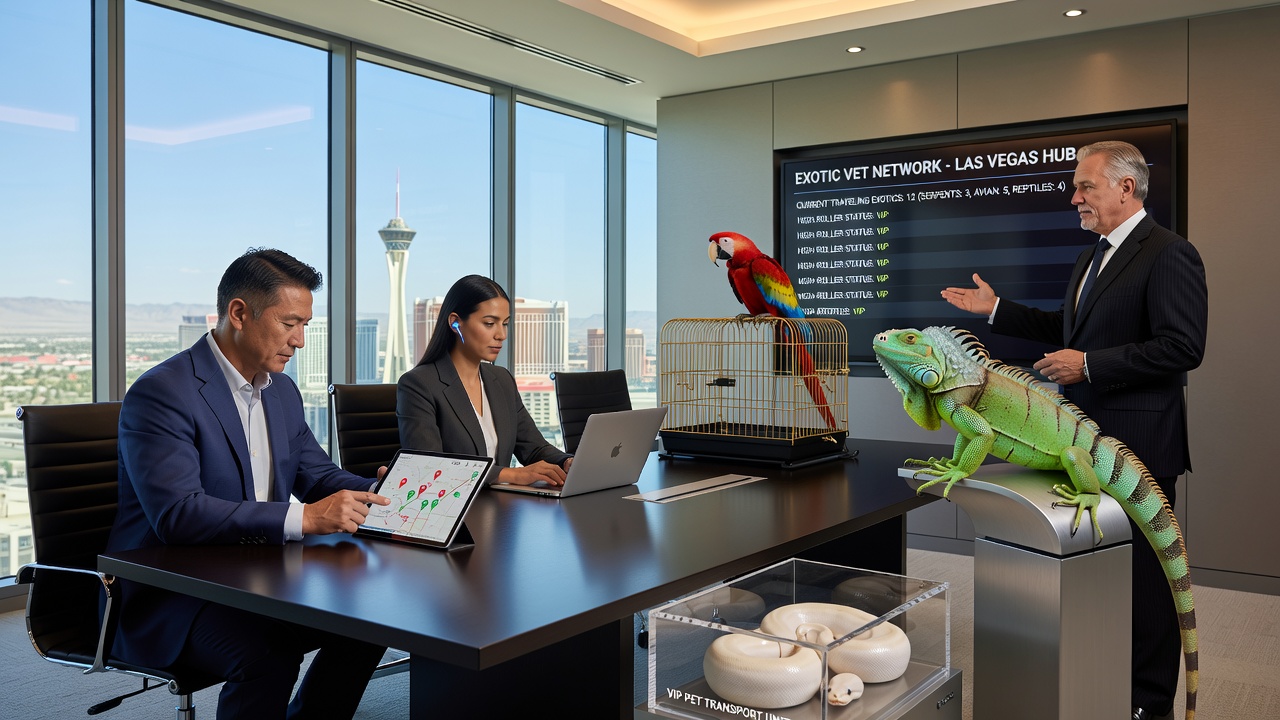
One documented case involved a resort coordinating care for a Komodo dragon that required daily fluid therapy while its owner participated in high-stakes gaming sessions, and the attending team used remote video feeds reviewed by a specialist based in California to adjust treatment plans in real time. These arrangements extend to nutritional support, where dietitians familiar with captive wildlife prepare custom meals that match the animal's native requirements and reduce the risk of digestive complications during travel.
Resort Infrastructure and Emergency Protocols
Las Vegas properties allocate designated suites and service corridors designed for discreet animal movement, complete with reinforced flooring and ventilation systems that meet local fire and safety codes. Emergency response plans incorporate backup generators and evacuation routes tested quarterly, while liaison officers from the Clark County Animal Control maintain direct lines to these teams for rapid intervention if regulatory thresholds are approached. What's interesting is how data analytics platforms now aggregate anonymized health metrics across multiple visits to predict potential issues before symptoms appear, allowing proactive adjustments in care schedules.
Industry reports from the Exotic Animal Trade Association highlight that coordination efficiency improves when resorts share standardized intake forms with veterinary partners, cutting response times during after-hours incidents. Handlers receive ongoing training on restraint techniques specific to each species, and this preparation integrates with resort security protocols to prevent unauthorized access while maintaining guest privacy.
Future Developments in Specialized Care Networks
Advances in telemedicine enable veterinarians in different time zones to review live feeds from implanted sensors, expanding the reach of expertise beyond local availability. Observers note that ongoing collaborations with university research programs continue to refine sedation protocols for air travel, drawing on studies that track recovery outcomes in various exotic species after long-distance movements.
Conclusion
Coordination of specialized veterinary networks for exotic pets at Las Vegas resorts operates through layered partnerships that combine regulatory compliance, mobile diagnostics, and real-time communication tools, supporting the unique travel patterns of high-roller guests while meeting established animal welfare standards. These systems continue to evolve alongside changes in federal guidelines and technological capabilities, maintaining operational continuity across seasonal peaks and regulatory updates.