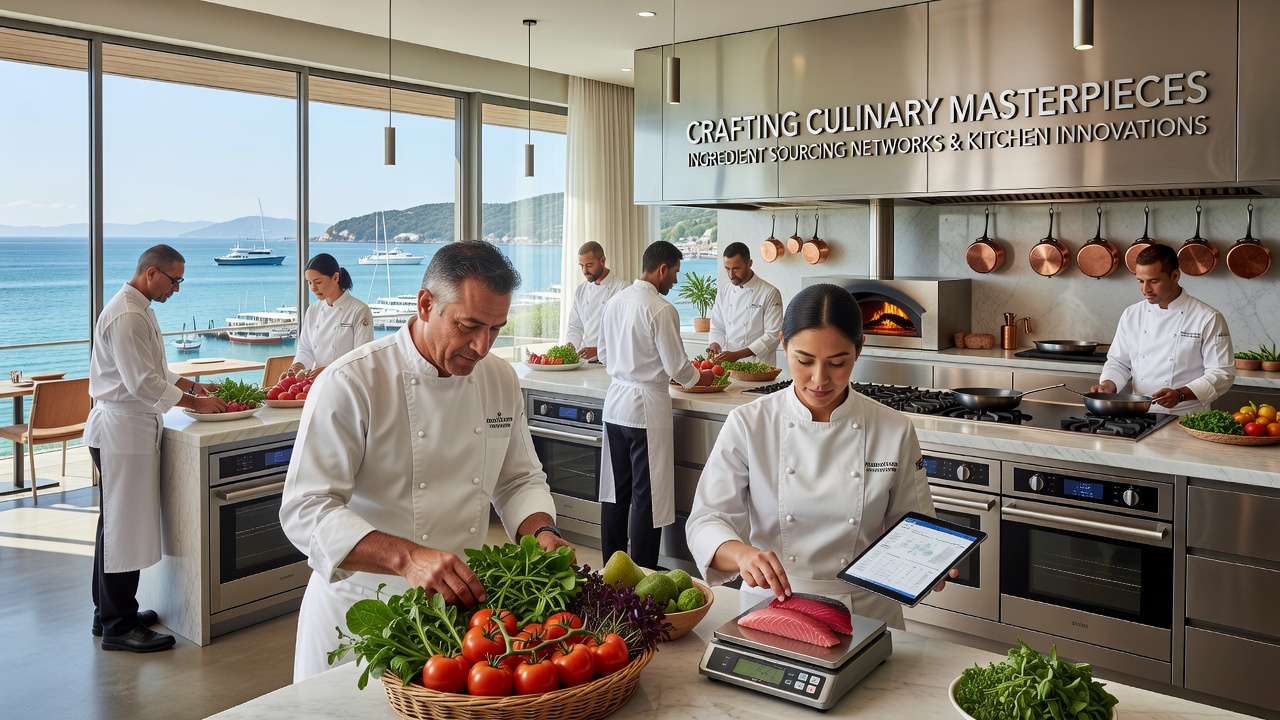
Crafting Culinary Masterpieces: Ingredient Sourcing Networks and Kitchen Innovations in Resort Dining Venues
Las Vegas resort dining venues rely on extensive ingredient sourcing networks that span multiple continents, with supply chains delivering seafood from Alaska, spices from India, and specialty produce from California farms on tight schedules that align with daily service demands. These networks operate through coordinated partnerships between distributors, farms, and import facilities where timing and temperature controls maintain quality from origin to plate.
Global Supply Chain Coordination
Resort procurement teams coordinate with international suppliers to secure consistent volumes of high-demand items such as wagyu beef from Japan and truffles from France, while domestic channels handle bulk staples like grains and dairy from Midwest producers. Data from the USDA supply chain reports shows that temperature-monitored shipping containers now account for over 65 percent of perishable deliveries to large hospitality operations in the Southwest region. August 2026 marks the rollout of updated federal traceability requirements that will require digital logging for all imported proteins entering Nevada facilities, prompting resorts to integrate blockchain-based tracking systems ahead of enforcement deadlines.
Local Sourcing and Seasonal Adjustments
Many venues supplement long-distance shipments with produce from Nevada and Arizona growers who supply herbs, leafy greens, and root vegetables during peak harvest windows, reducing transit times and supporting menu flexibility when global disruptions occur. Observers note that chefs adjust daily specials around these local arrivals, incorporating items like desert-raised lamb or greenhouse tomatoes into rotating offerings that reflect availability rather than fixed calendars. Research from the University of Arizona Center for Regional Food Studies indicates that establishments using mixed sourcing models cut average ingredient lead times by 18 percent compared to those dependent solely on distant imports.
Kitchen Technology Integration
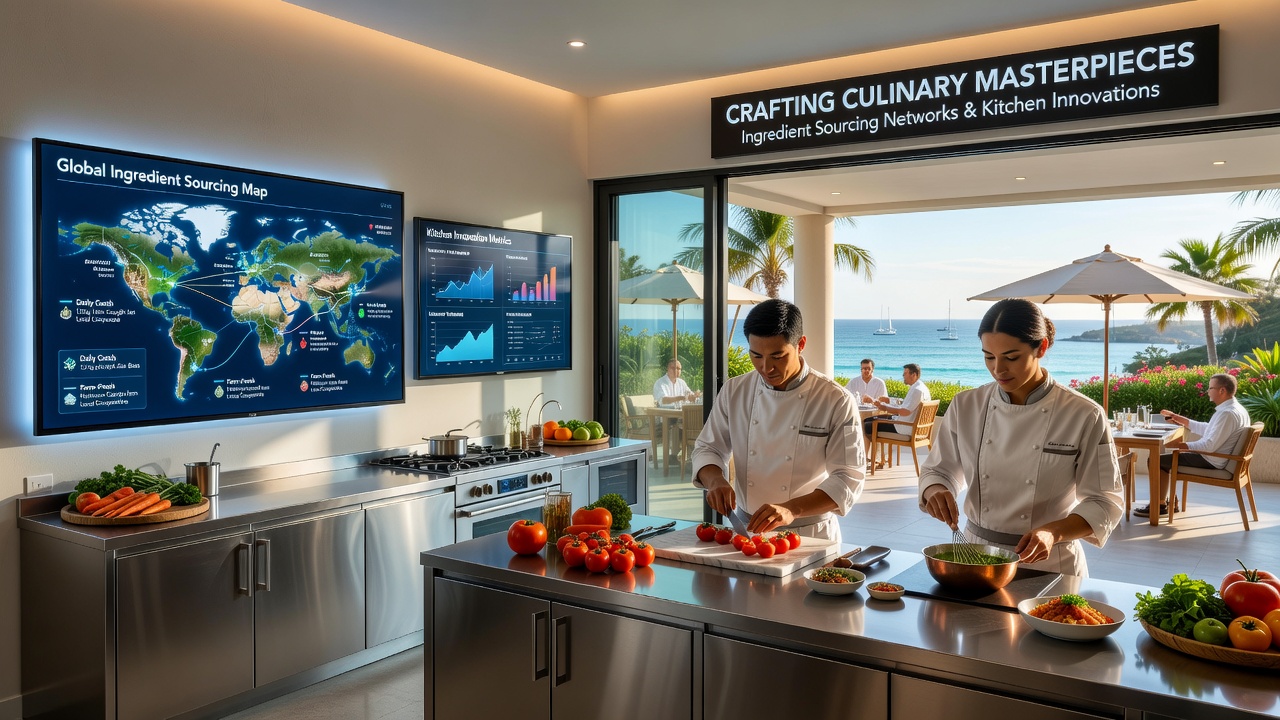
Resort kitchens have adopted automated prep stations, precision cooking equipment, and inventory management software that tracks stock levels in real time and flags shortages before service begins. These systems connect directly to supplier portals so that reorders trigger automatically when thresholds drop, minimizing waste while maintaining the variety required for multi-concept dining operations under one roof. Engineers at major properties report that induction ranges and combi-ovens now handle up to 40 percent of cooking tasks that previously required manual oversight, freeing staff to focus on plating and guest interaction during peak hours.
Staff Training and Operational Protocols
Training programs emphasize cross-functional skills where line cooks learn basic equipment diagnostics and procurement coordinators understand kitchen workflow constraints, creating smoother handoffs between sourcing and preparation stages. Facilities in Las Vegas have documented reduced error rates in special-order fulfillment after implementing shared digital dashboards that display both incoming shipments and current menu specifications simultaneously. Those who manage these venues find that the integration of sensor-driven storage units, which monitor humidity and temperature deviations, has lowered spoilage incidents across protein and produce categories.
Future Adaptations in 2026
Looking toward August 2026, several properties plan pilot programs that test AI-assisted demand forecasting models drawing on historical reservation data and weather patterns to predict ingredient needs weeks in advance. These models aim to refine order accuracy and reduce last-minute substitutions that can affect consistency across high-volume restaurants. Industry reports from the National Restaurant Association highlight similar trials at other destination markets where predictive analytics improved fill rates for specialty items by measurable margins.
Conclusion
Resort dining operations in Las Vegas continue to refine the balance between expansive sourcing networks and on-site technological upgrades, with each element supporting the other in delivering consistent output at scale. The combination of global logistics, local supplementation, and automated kitchen systems creates a framework that adapts to regulatory shifts and supply fluctuations while sustaining the volume and variety expected in large-scale hospitality environments.