Desert Vault Protocols: How Las Vegas Resorts Secure and Rotate High-Value Art Collections Across Casino Vaults and Public Displays
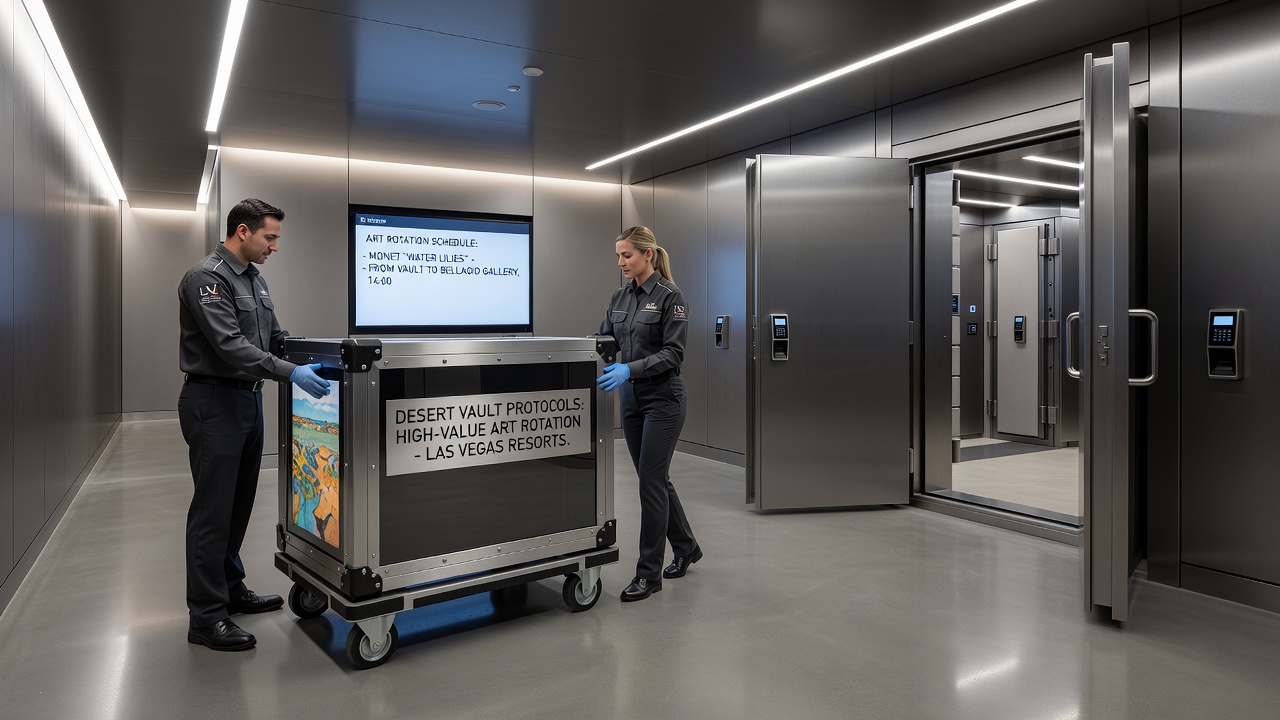
Las Vegas resorts maintain extensive protocols for securing and rotating high-value art collections between climate-controlled vaults and public display areas across casino floors and hotel lobbies, and these systems integrate advanced surveillance with regulatory compliance standards set by the Nevada Gaming Control Board. Facilities employ multi-layered access controls that include biometric scanners along with 24-hour monitoring teams while climate systems hold temperatures between 65 and 72 degrees Fahrenheit with humidity levels at 45 to 55 percent to preserve paintings sculptures and mixed-media works from desert conditions.
Vault Infrastructure and Access Management
Underground and reinforced vault spaces feature reinforced concrete walls along with steel doors rated for blast resistance and these structures connect to central command centers through fiber-optic networks that transmit real-time footage from infrared cameras and motion sensors. Resorts coordinate with specialized art handlers who use RFID-tagged crates during transfers and each movement logs into digital systems that track location timestamps and personnel involved. Security teams conduct daily audits of vault inventories while quarterly reviews involve third-party conservators who inspect condition reports and verify insurance valuations.
Rotation Schedules and Public Display Integration
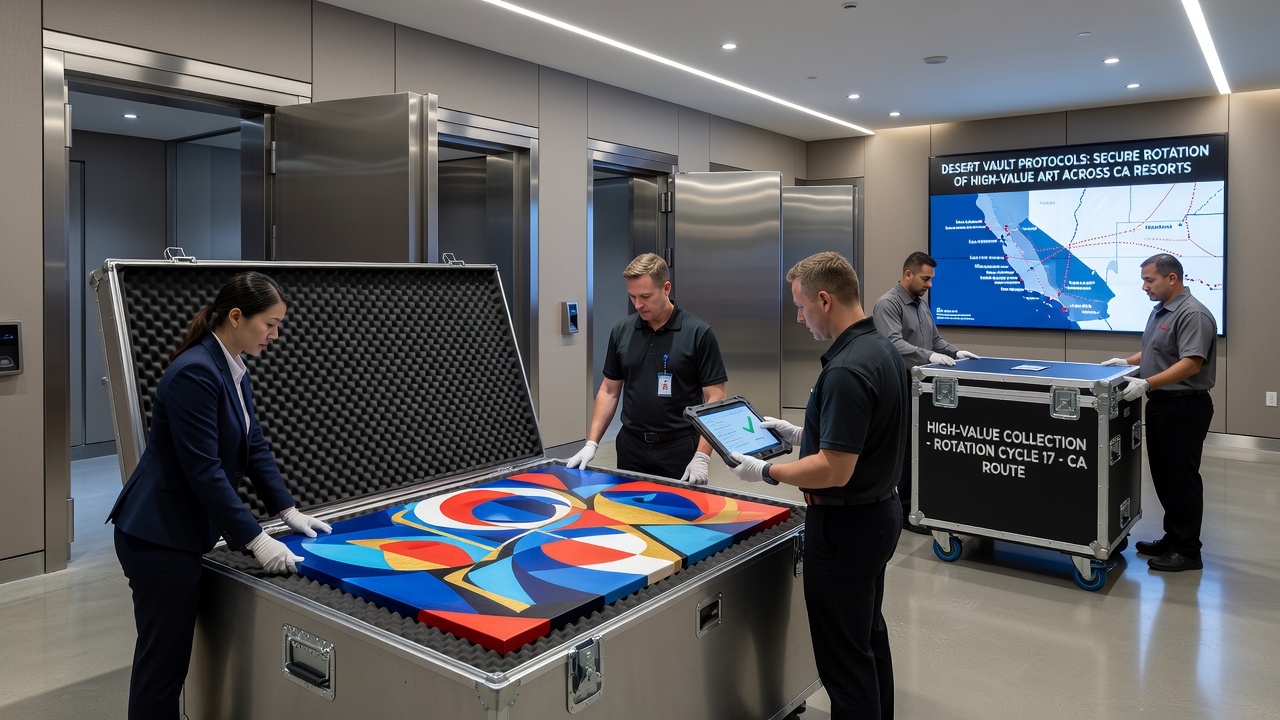
Art rotation cycles typically span three to six months depending on the piece and exhibit theme and resorts align these timelines with seasonal events such as major conventions or holiday installations to maintain visual interest without exposing works to prolonged light or foot traffic exposure. Staff coordinate with curators to select pieces from vault storage that complement current casino themes and they install protective barriers along with custom lighting that meets conservation guidelines while still drawing guest attention. Data from visitor flow sensors helps determine optimal placement locations so high-value items avoid high-congestion zones during peak evening hours.
Regulatory Oversight and Risk Mitigation
According to standards from the Nevada Gaming Control Board resorts must document every art movement and maintain insurance coverage that meets state thresholds for high-value assets and these requirements extend to annual compliance inspections that review vault security logs and transfer procedures. Industry reports from organizations like the American Gaming Association highlight how properties integrate cybersecurity measures to protect digital inventories from unauthorized access and many facilities now employ blockchain-based tracking for provenance verification on select collections. In August 2026 several major resorts plan synchronized rotations timed with the Global Gaming Expo to showcase refreshed displays while minimizing downtime through overnight operations that limit guest disruption.
Technological Enhancements in Transit and Storage
Transit vehicles used for art movements incorporate GPS tracking along with temperature and vibration monitors that alert handlers to any deviations during short drives between properties and vault facilities and these systems connect to resort security dashboards for immediate response if anomalies occur. Researchers at institutions such as the University of Nevada Las Vegas have examined how predictive analytics improve rotation planning by analyzing environmental data and foot traffic patterns and their findings show reduced wear on delicate pieces when schedules incorporate buffer periods between installations. Observers note that partnerships with international insurers require resorts to conduct biannual risk assessments that evaluate both physical and digital threats to art assets stored across multiple casino sites.
Case Examples from Major Properties
One property on the Strip implemented a dedicated art logistics team that manages weekly vault checks and coordinates with external conservators for condition photography while another off-Strip resort uses modular display cases that allow quick swaps without full gallery shutdowns and these approaches demonstrate how protocols adapt to different facility layouts. Teams across the city share best practices through industry forums which helps standardize procedures for handling works valued above certain thresholds and such collaboration supports consistent application of security measures during high-traffic periods like summer conventions.
Conclusion
Las Vegas resorts continue to refine these vault and rotation protocols through ongoing technology upgrades and regulatory alignment and the result supports both preservation of valuable collections and seamless integration into guest experiences across public spaces. Data from compliance reports and operational logs provides the foundation for these evolving systems while partnerships with security specialists and academic researchers drive incremental improvements in handling and monitoring techniques.