Elevated Oases: How Rooftop Gardens Thrive Amid Las Vegas Resort Skylines
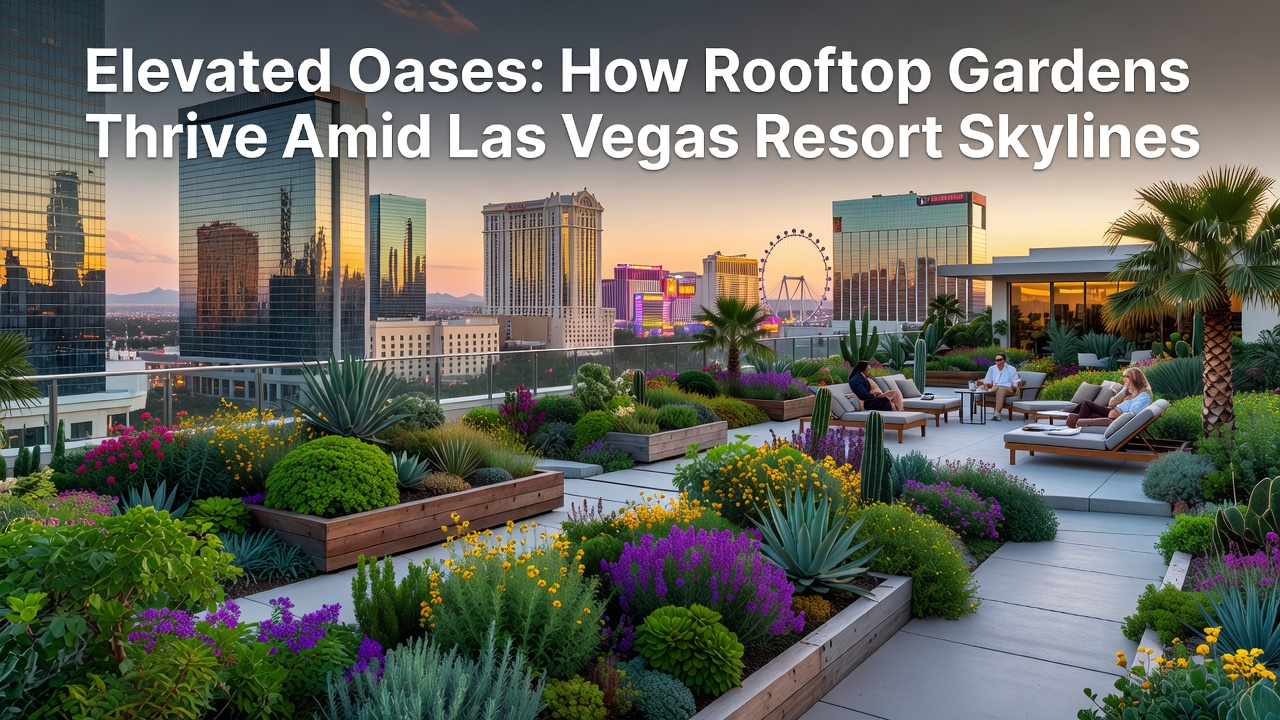
Las Vegas resorts have incorporated rooftop gardens into their structures to address environmental pressures in the Mojave Desert while supporting guest amenities and operational needs. These installations sit atop high-rise buildings along the Strip and handle temperatures that regularly exceed 100 degrees Fahrenheit during summer months along with limited annual rainfall averaging just 4 inches.
Engineers design these gardens with reinforced structural decks that support soil depths ranging from 6 to 18 inches depending on the plant types selected. Wind loads at rooftop elevations require anchoring systems and protective barriers while drainage layers prevent water accumulation that could compromise building integrity. Several properties have documented successful installations that combine native desert species with drought-tolerant ornamentals to maintain visual appeal throughout the year.
Engineering Adaptations for Desert Conditions
Construction teams apply reflective membranes beneath growing media to reduce heat transfer into occupied spaces below and they integrate insulation that maintains stable root zone temperatures. Shade structures and windbreaks positioned strategically protect young plants during establishment phases while allowing airflow that prevents fungal issues common in enclosed environments. Observers note that these modifications allow vegetation to persist where ground-level landscaping often struggles with reflected heat from pavement and buildings.
Water Management and Irrigation Systems
Resorts route treated wastewater from on-site recycling facilities to rooftop irrigation networks that deliver precise amounts through drip emitters and subsurface tubing. Sensors monitor soil moisture levels and adjust delivery schedules to minimize evaporation losses that can reach 30 percent in open-air desert settings. Data from property management records shows these closed-loop systems reduce municipal water demand by measurable percentages compared to traditional landscaping approaches.
Plant Selection and Maintenance Practices
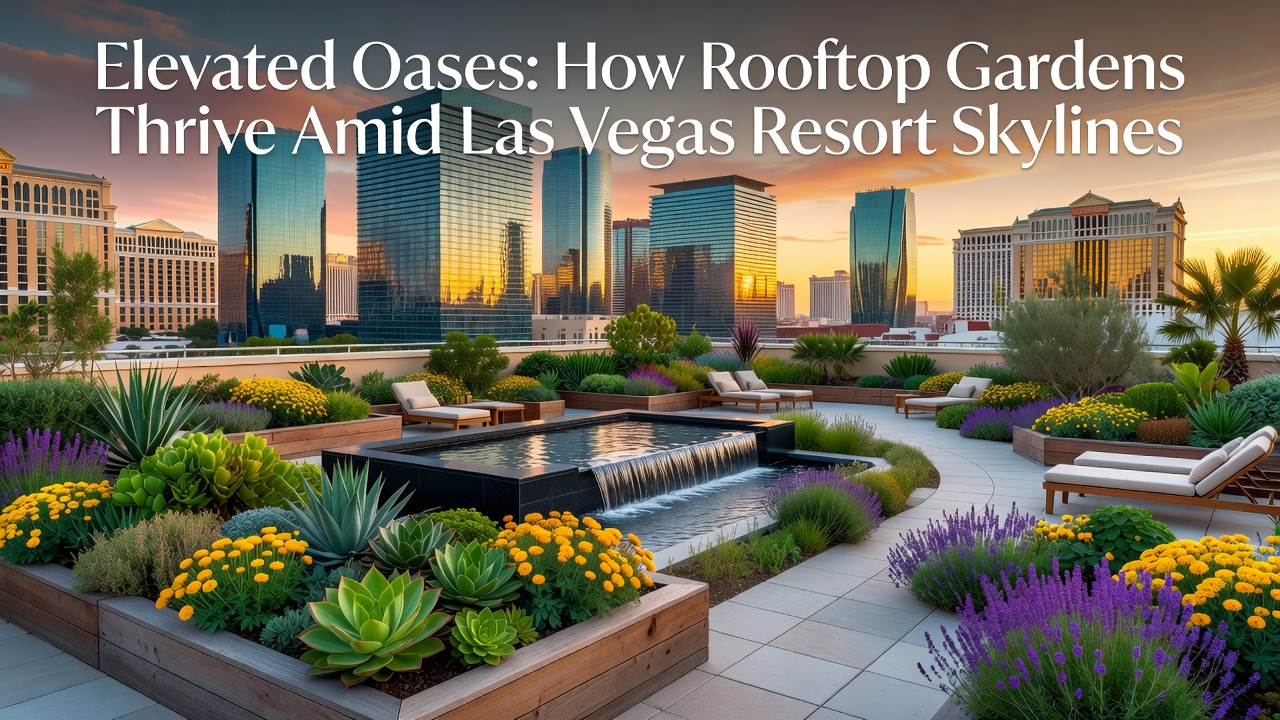
Landscape teams select species such as agave, yucca, and certain succulents alongside heat-tolerant herbs and grasses that tolerate intense solar exposure and low humidity. Maintenance crews conduct regular inspections for pests that adapt to elevated microclimates and they prune growth to prevent interference with rooftop mechanical equipment. One resort reported that modular planting trays allow seasonal rotation of displays without disturbing permanent structural elements.
Researchers at institutions focused on arid land studies have examined how elevated planting beds influence local microclimates and reduce urban heat island effects around high-density resort clusters. These findings indicate measurable temperature reductions in adjacent areas during peak afternoon hours when vegetation cover reaches sufficient density.
Operational Integration and Guest Amenities
Resort operators incorporate rooftop garden spaces into event programming that includes seasonal dining experiences and wellness activities while maintaining separate zones for service access. Coordination with kitchen staff allows harvest of edible plants for restaurant use which reduces supply chain distances for certain ingredients. Property reports from 2025 document increased utilization of these areas during evening hours when temperatures become more comfortable for outdoor gatherings.
In June 2026 several properties plan to expand existing installations with additional pollinator habitats and educational signage that highlights water conservation techniques. These updates align with broader industry efforts to track resource usage through centralized monitoring platforms that aggregate data across multiple resort functions.
Environmental and Economic Metrics
Studies conducted by desert research organizations have quantified stormwater retention capabilities of green roof systems in similar arid climates and they note reductions in peak runoff volumes during infrequent but intense precipitation events. Energy consumption data from buildings with rooftop vegetation shows lower cooling loads in upper floors which contributes to overall operational efficiency targets. Trade associations tracking hospitality sustainability practices compile annual summaries that place Las Vegas installations within national benchmarks for urban agriculture applications.
One study from Australian arid zone researchers compared rooftop systems across multiple desert cities and identified irrigation scheduling as the primary factor determining long-term plant survival rates. Those findings have informed local adaptations that combine automated controls with periodic manual adjustments based on weather forecasts.
Conclusion
Rooftop gardens at Las Vegas resorts demonstrate how specialized engineering and resource management enable vegetation to establish in elevated desert environments. Continued monitoring and incremental improvements support both functional performance and aesthetic contributions to the resort landscape. These installations form part of wider efforts to balance development demands with environmental constraints in the region.