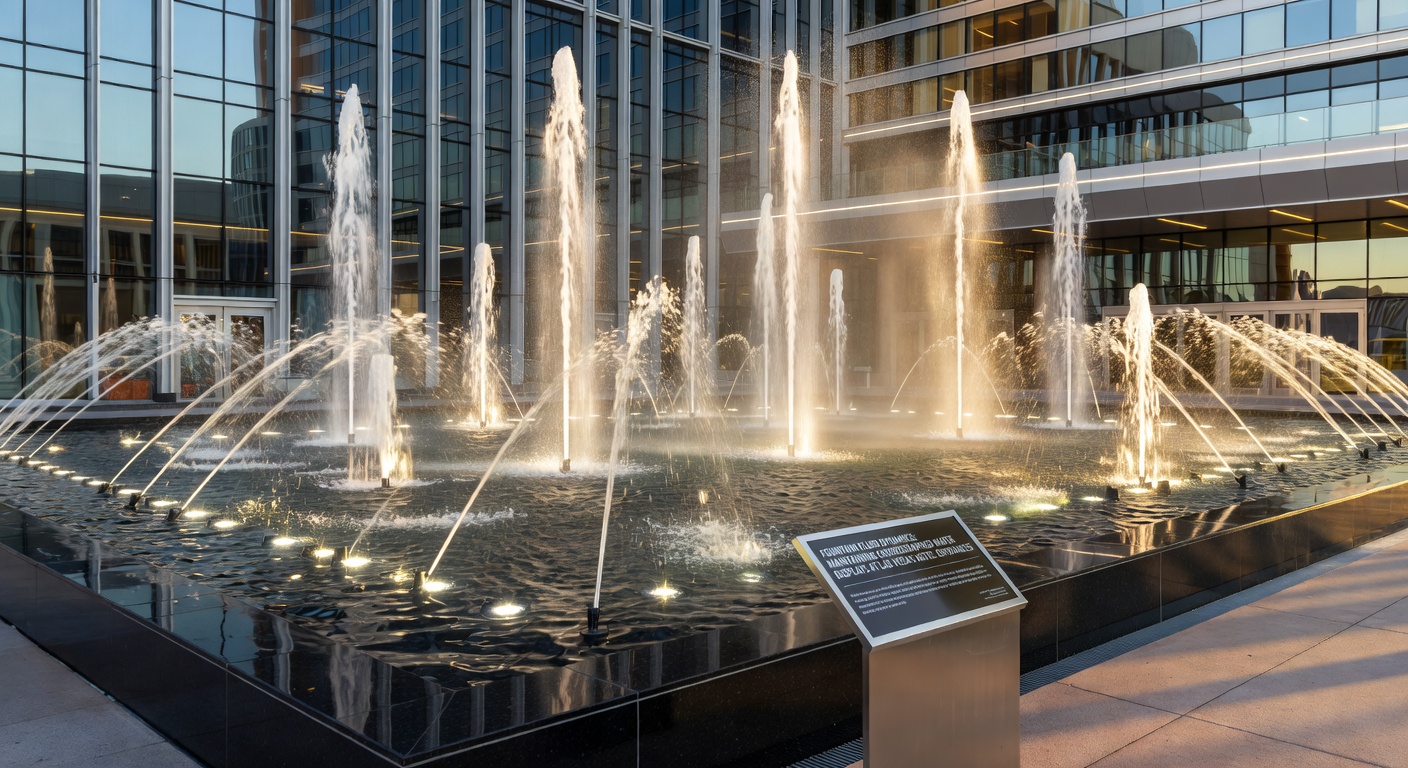
Fountain Fluid Dynamics: Maintaining Choreographed Water Displays at Las Vegas Hotel Entrances
Las Vegas hotel entrances feature some of the most intricate choreographed water displays in the world, where fluid dynamics engineering meets precise timing and environmental adaptation. These systems rely on high-pressure pumps, computer-controlled nozzles, and real-time sensors to create patterns that respond to music and lighting cues. Operators at properties along the Strip manage water volumes reaching thousands of gallons per minute while accounting for desert evaporation rates that exceed those in most urban environments.
Core Engineering Principles Behind the Displays
Fluid dynamics in these fountains centers on laminar and turbulent flow management. Engineers design nozzle arrays that switch between smooth vertical streams and aerated mist effects through variable valve sequencing. According to data from the U.S. Bureau of Reclamation, Las Vegas fountain installations incorporate recirculation loops that recover over 95 percent of water used in each performance cycle. Variable frequency drives adjust pump speeds to match performance demands, which reduces energy consumption during off-peak hours and extends equipment life. Sensors embedded in the basin floors detect wind speed and direction, triggering automatic height reductions to prevent overspray onto pedestrian walkways.
Daily Maintenance Protocols and Equipment Checks
Maintenance crews follow structured schedules that begin before sunrise. Technicians inspect nozzle orifices for mineral buildup from the region's hard water supply, using ultrasonic cleaners and acid flushes on a rotating basis. Pump impellers undergo vibration analysis every 72 hours to identify bearing wear before failures interrupt shows. Water chemistry teams monitor pH levels and biocide concentrations to control algae growth in the 200,000-gallon reservoirs typical of major installations. These checks occur regardless of performance calendars because even brief shutdowns can allow sediment to settle and clog return lines.
Filter banks receive backwashing cycles multiple times daily, with differential pressure gauges guiding the timing. Replacement of ultraviolet sterilizer bulbs follows manufacturer hour ratings rather than calendar dates, since usage intensity varies with show frequency. Crews document every adjustment in digital logs that feed into predictive maintenance algorithms run by the property engineering departments.
Environmental Adaptations in Desert Conditions
High temperatures and low humidity create unique challenges for water displays. Evaporation losses average 8 to 12 percent per performance hour during summer months, prompting operators to integrate automated refill systems tied to level sensors. Wind gusts common in the Las Vegas Valley require dynamic programming adjustments that lower jet trajectories within seconds. Data from regional meteorological stations integrates directly into the control software, allowing preemptive modifications before gust fronts arrive.
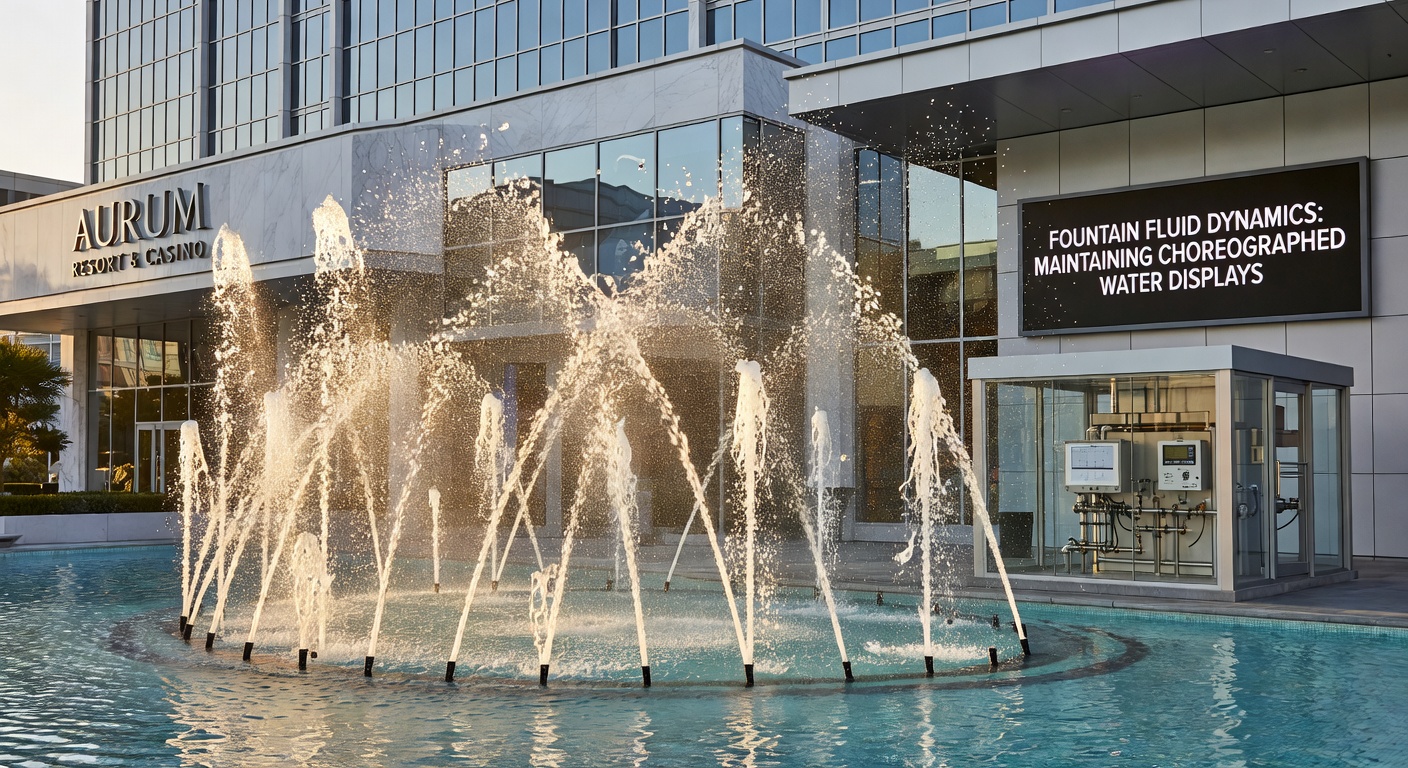
Water sourcing draws from municipal supplies supplemented by on-site treatment plants that remove salts and particulates. Properties coordinate with the Southern Nevada Water Authority on conservation targets, which influences fountain scheduling during drought declarations. Cooling towers adjacent to some fountain mechanical rooms capture waste heat from pumps to precondition makeup water, improving overall system efficiency.
Technological Upgrades and Synchronization Systems
Modern control platforms use Ethernet-based networks to coordinate hundreds of individual valves and lights across displays spanning 500 feet or more. Programmable logic controllers receive inputs from music tracks and translate them into movement sequences through custom software developed by specialized fountain contractors. Redundant power feeds and backup generators ensure performances continue during brief utility interruptions. In May 2026, several properties plan phased controller replacements that will incorporate machine learning models trained on historical performance data to optimize jet patterns for varying crowd densities.
Acoustic sensors positioned around the basins measure splash noise levels and feed adjustments back into the system to maintain acceptable decibel ranges for nearby hotel guests. These upgrades build on earlier digital transitions that replaced mechanical cam timers in the early 2000s.
Case Examples from Major Properties
One installation at a central Strip resort operates 1,200 nozzles across eight separate zones, each controlled by independent pump skids. Performance sequences repeat on 15-minute cycles during peak evening hours, with full resets occurring overnight for filter maintenance. Another property near the north end of the Strip uses laminar flow wands that produce arching water sheets capable of reaching 80 feet horizontally. Maintenance records indicate these wands require quarterly polishing to maintain surface tension characteristics essential for the laminar effect.
Staff training programs emphasize cross-functional knowledge so electricians understand hydraulic principles and plumbers grasp basic electrical diagnostics. This approach reduces response times when simultaneous issues arise across mechanical and control systems.
Conclusion
Choreographed water displays at Las Vegas hotel entrances depend on continuous integration of fluid dynamics principles, rigorous maintenance routines, and environmental monitoring. Operators balance performance demands against water conservation requirements and equipment longevity through data-driven scheduling and redundant systems. Ongoing technological refinements scheduled for 2026 will further enhance precision while maintaining the reliability these attractions require.