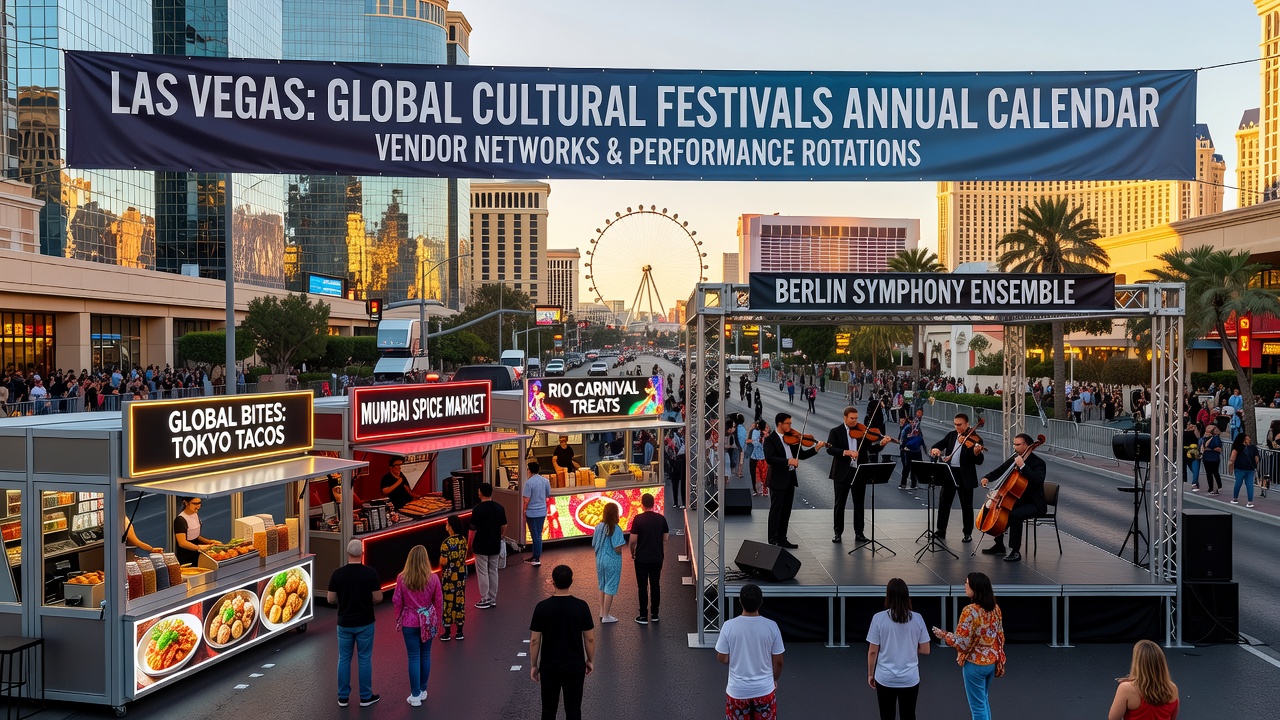
How Las Vegas Integrates Global Cultural Festivals into Its Annual Calendar Through Vendor Networks and Performance Rotations
Las Vegas maintains a year-round schedule of global cultural festivals by coordinating vendor networks that supply authentic goods and cuisine while rotating performance groups from multiple continents. This approach relies on partnerships between resort operators, local event planners, and international suppliers who deliver materials and talent on predictable cycles. Data from the Las Vegas Convention and Visitors Authority shows that festival-related visits increased steadily between 2023 and 2025, with cultural programming cited as a primary draw for repeat travelers from Asia, Europe, and Latin America.
Planning begins months in advance when organizers review demographic trends and booking patterns. They identify peak periods for specific communities and align vendor contracts accordingly. For example, Lunar New Year celebrations draw heavily from Chinese, Vietnamese, and Korean supplier networks that provide lanterns, specialty foods, and traditional performers. These vendors operate under multi-year agreements that guarantee space on the Strip and in downtown plazas during designated weeks.
Vendor Network Coordination
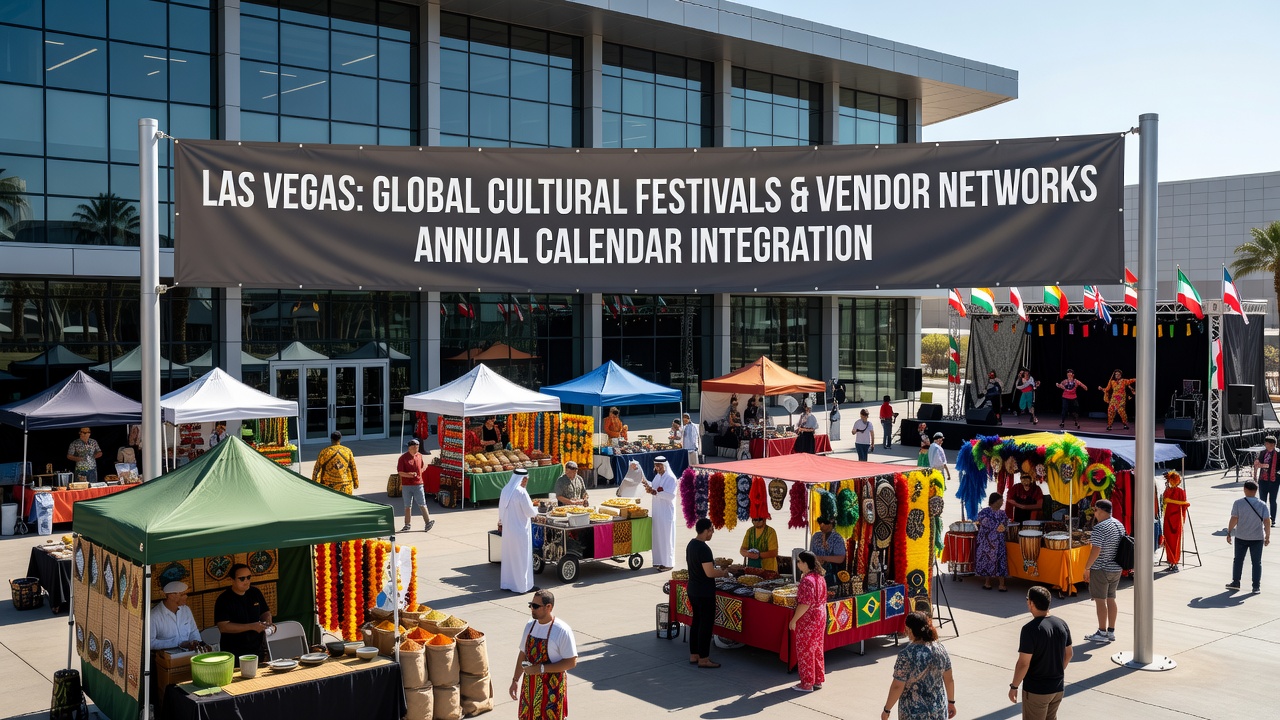
Centralized procurement systems connect resorts with certified vendors who specialize in cultural authenticity. These networks include food importers based in California and Texas who source ingredients from Southeast Asia and South America, as well as textile suppliers in Nevada who stock festival-specific decorations. Performance rotation schedules are built around these vendor timelines, ensuring that artists arrive with necessary props and costumes already cleared through customs.
What's interesting is how the system handles overlapping events. When Diwali coincides with harvest festivals from other regions, coordinators stagger vendor setup times across different resort properties. This prevents supply bottlenecks and allows the same core group of international vendors to serve multiple locations without duplication of effort. Records maintained by Clark County event permits indicate that more than 180 vendor contracts were active for cultural programming in 2025 alone.
Performance Rotation Mechanics
Performance groups follow a structured rotation that balances demand and artist availability. Booking agents maintain databases of troupes from India, Mexico, Japan, and Brazil, scheduling them for two-to-four-week residencies before transitioning to the next cultural focus. This rotation prevents audience fatigue and keeps programming fresh across casino stages, public plazas, and convention center ballrooms.
June 2026 features a combined Caribbean and Mediterranean festival block that illustrates the rotation model in action. Steel drum ensembles from Trinidad and Tobago share stages with Greek dance companies, while vendors supply jerk spices and olive oil products sourced through established Caribbean and EU trade channels. The schedule was finalized in late 2025 after cross-referencing hotel occupancy forecasts with artist touring calendars.
Logistics and Infrastructure Support
Transportation and storage infrastructure underpins the entire operation. Dedicated warehouse facilities near McCarran International Airport hold seasonal inventory for quick deployment, while shuttle services move performers between venues on tight daily timetables. Electronic ticketing platforms sync with vendor inventory systems so that food stalls receive real-time updates on attendance numbers and can adjust stock accordingly.
Observers note that this level of integration reduces last-minute cancellations. When one vendor experiences delays, backup suppliers from the same network step in because contracts include contingency clauses developed over several festival seasons. The result appears in consistent execution rather than noticeable gaps in programming.
Community and Regulatory Alignment
Local cultural organizations participate in the planning process through advisory roles. Groups representing Filipino, Ethiopian, and Irish communities provide input on performance authenticity and vendor selection. These partnerships help satisfy Clark County permitting requirements that emphasize community involvement for large public events.
Regulatory bodies such as the Nevada Department of Tourism and Cultural Affairs track participation metrics and publish annual summaries. Their reports document how vendor networks contribute to job creation in logistics and hospitality sectors during festival months. International trade data from sources like the World Trade Organization further supports the supply chain models used by Las Vegas planners when sourcing goods across borders.
Conclusion
The integration of global cultural festivals into Las Vegas's annual calendar operates through deliberate vendor networks and performance rotations that align supply, talent, and venue availability. This system produces a continuous series of events that draw on international partnerships while meeting local regulatory and logistical standards. Continued refinement of these processes supports the city's position as a hub for cross-cultural programming throughout the year.