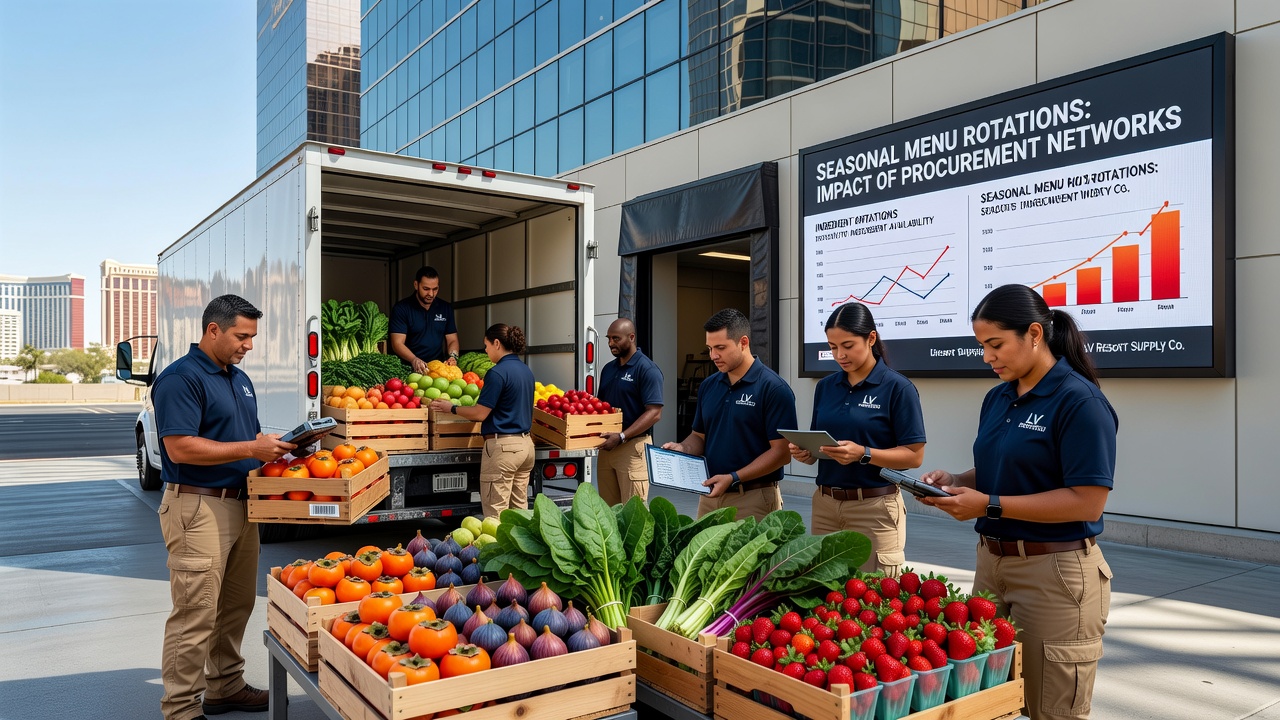
Procurement Networks Fueling Seasonal Menus in Las Vegas Resort Towers
High-volume dining establishments across Las Vegas resort towers rely on intricate procurement networks that source seasonal ingredients from regional farms and distant suppliers, and these systems directly shape menu rotations throughout the year. Observers note that establishments in major properties coordinate with distributors who track harvest cycles from California valleys, Arizona fields, and Pacific Northwest orchards, allowing kitchens to adjust offerings based on availability rather than fixed schedules. Data from the USDA Economic Research Service shows that fresh produce shipments to Nevada increased notably during peak harvest months, supporting the daily demands of buffets, fine dining rooms, and casual outlets that serve thousands of meals each day.
Logistics Behind Ingredient Flows
Procurement begins with contracts between resort purchasing teams and specialized distributors who consolidate goods at regional hubs before routing them into the city via refrigerated transport. These networks prioritize just-in-time delivery to minimize spoilage, and they incorporate real-time weather and crop data to anticipate shortages or surpluses. In August 2026, for instance, networks adjusted for late-summer tomato and stone fruit arrivals while preparing for early fall transitions in leafy greens and root vegetables. Kitchens in towers along the Strip often receive multiple daily deliveries, which enables precise portion control and reduces waste in environments where meal volumes fluctuate with convention schedules and weekend peaks.
Distributors maintain relationships with growers who follow strict quality protocols, and traceability systems track each batch from farm to plate. Researchers at land-grant universities have documented how such systems cut transit times by coordinating with rail and truck carriers that serve the Southwest corridor. Those who manage these operations report that temperature-controlled storage at distribution centers near the Las Vegas Valley plays a central role in preserving freshness for items like berries, herbs, and seafood that appear on rotating menus.
Menu Rotation Patterns Across Properties
Seasonal ingredient arrivals trigger menu updates that occur every two to four weeks in many resort dining rooms, and these changes reflect both availability and guest preferences tracked through point-of-sale analytics. High-volume outlets rotate dishes to highlight peak produce, such as incorporating fresh corn and peppers during summer months or shifting toward squash and apples as cooler weather approaches. This approach keeps offerings aligned with supply while controlling costs tied to out-of-season imports.
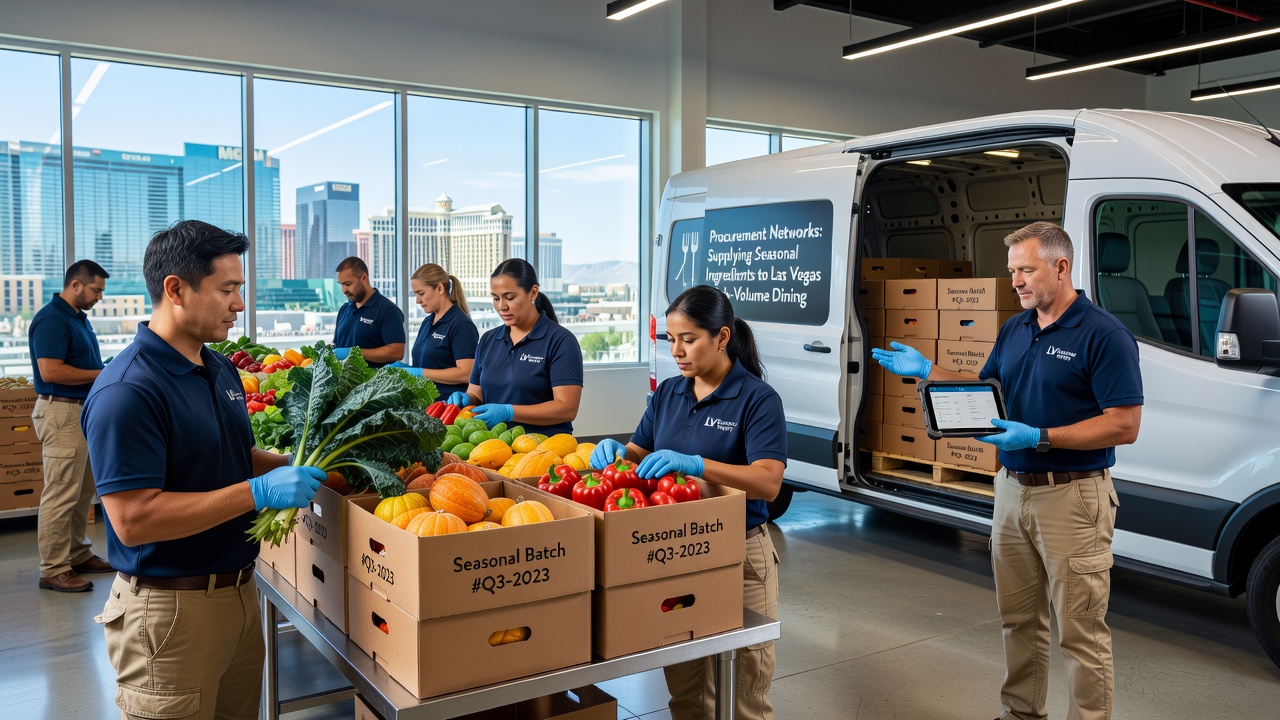
One study from the University of California Davis examined how procurement timing influences culinary decisions in large-scale hospitality settings, and it found that properties with integrated supplier portals achieved faster menu adaptations. In Las Vegas, towers operated by different ownership groups often share overlapping supplier lists, yet each maintains distinct rotation calendars to differentiate their dining experiences. Buffets may emphasize volume-driven items like salads and sides, whereas signature restaurants focus on limited-time plates that showcase premium seasonal proteins paired with market vegetables.
Challenges and Adaptations in Supply Networks
Supply disruptions from weather events or transportation delays require rapid substitutions, and procurement teams maintain backup sources across multiple growing regions to sustain menu consistency. Industry reports indicate that diversification across suppliers has become standard practice for resorts handling high guest throughput. Those coordinating these networks also factor in labor availability at farms and processing facilities, which can affect harvest volumes during peak tourist seasons.
August 2026 data reflected adjustments for heat-related crop stress in certain growing areas, prompting increased reliance on greenhouse operations in the Southwest and imports coordinated through West Coast ports. Establishments responded by accelerating menu shifts toward preserved or slower-cooking preparations that extend the usability of available stock. Trade groups such as the Produce Marketing Association have tracked these patterns and noted improved forecasting tools that help dining operations plan rotations weeks in advance.
Coordination Across Multiple Towers
Resort groups with multiple towers centralize some procurement functions while allowing individual properties to tailor final menu items. Centralized buying secures volume discounts and consistent quality standards, yet local executive chefs retain flexibility to incorporate unique seasonal finds. This balance supports both operational efficiency and creative menu development that distinguishes one tower from another within the same complex.
Technology platforms now link inventory systems directly to supplier dashboards, and these connections allow real-time visibility into incoming shipments. Observers have seen how such integration reduces last-minute menu changes and supports smoother service during high-demand periods. Data from hospitality research firms shows measurable reductions in ingredient waste when networks operate with this level of coordination.
Conclusion
Procurement networks that deliver seasonal ingredients to Las Vegas high-volume dining establishments continue to influence menu rotations by aligning supply availability with operational needs across resort towers. These systems combine logistics efficiency, supplier relationships, and data-driven planning to maintain consistent quality despite fluctuating harvests and guest volumes. As August 2026 demonstrated, timely adjustments keep offerings relevant and cost-effective while supporting the scale required by major hospitality properties.