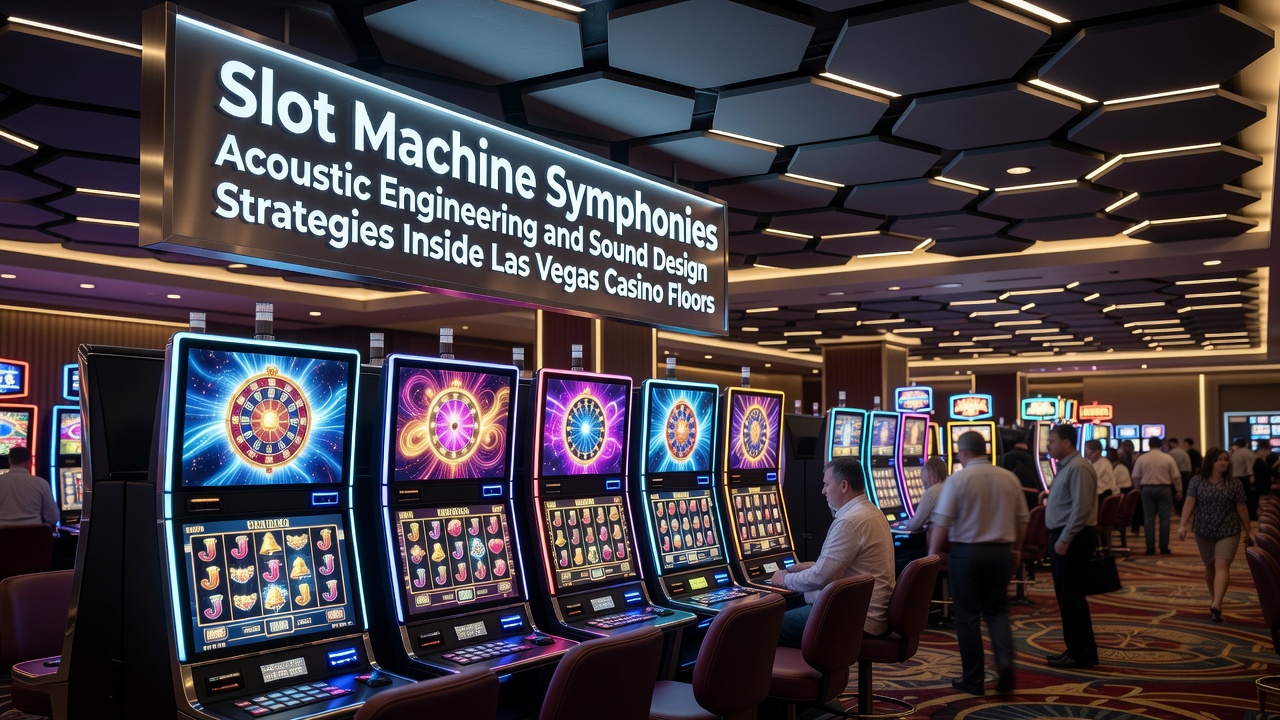
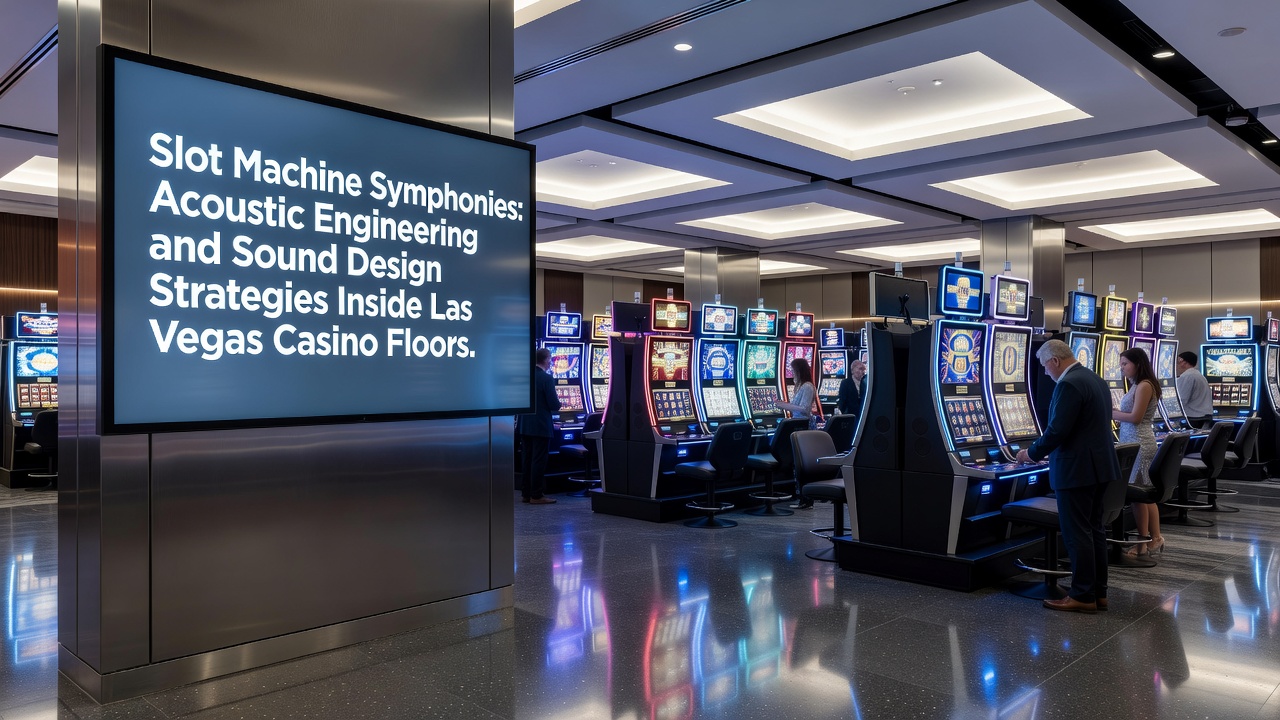
Slot Machine Symphonies: Acoustic Engineering and Sound Design Strategies Inside Las Vegas Casino Floors
Las Vegas casino floors rely on precise acoustic engineering to shape the auditory experience around slot machines, and this approach blends technical measurements with environmental adjustments that maintain consistent sound levels across expansive gaming areas. Engineers measure frequency ranges, volume outputs, and spatial distribution patterns while they calibrate individual machines to prevent overlap that could create unintended noise spikes during peak hours.
Core Principles of Casino Acoustics
Sound designers work with data from on-site sensors that track how sound waves travel through open layouts filled with carpeted walkways, mirrored ceilings, and clustered gaming stations. Research from the University of Nevada, Las Vegas indicates that targeted frequency bands between 200 and 800 hertz dominate slot machine audio profiles because these ranges carry through crowded spaces without excessive reverberation. Technicians adjust speaker placements and enclosure materials so that winning chimes reach nearby players at volumes that stay within 65 to 75 decibels, a range that aligns with typical ambient baselines recorded during evening shifts.
Acoustic modeling software helps teams simulate crowd density changes throughout a 24-hour cycle, and they refine these models using real-time input from microphone arrays mounted above the floor. When occupancy rises, automated systems lower individual machine volumes by increments of two to three decibels to preserve overall clarity. Observers note that such dynamic control prevents the cumulative roar that once characterized older installations where static settings produced noticeable fatigue among staff and guests alike.
Sound Design Techniques for Player Engagement
Each slot machine incorporates layered audio tracks that combine mechanical reel sounds, digital melodies, and celebratory jingles, all synchronized through onboard processors that respond to game events. Engineers select timbre variations and attack times so that a jackpot trigger produces a rising harmonic sequence lasting between four and seven seconds, a duration calibrated to match average player dwell times observed in traffic studies. These sequences often incorporate minor key progressions followed by major resolutions, patterns drawn from music cognition studies that document how such shifts sustain attention without crossing into distraction.
Multi-channel speaker arrays embedded in machine cabinets allow directional audio that focuses winning sounds toward the active player while diffusing background tones toward adjacent aisles. In June 2026, several major properties plan to introduce updated firmware that incorporates adaptive equalization based on surrounding machine activity, a step that builds on existing systems already deployed at select downtown venues. Data from pilot installations shows a measurable reduction in reported sound complaints while overall machine utilization rates remain stable.
Integration with Broader Casino Systems
Acoustic strategies connect directly to climate control and lighting networks so that changes in one domain influence sound parameters in others. When HVAC units ramp up during midday heat, for instance, floor management software raises slot audio baselines by one decibel to compensate for increased mechanical noise. This coordinated approach appears in operational logs maintained by properties along the Strip, where cross-system dashboards display combined metrics for temperature, illumination, and decibel averages.
Maintenance crews conduct quarterly audits that include spectrum analysis of every active machine, and they replace worn transducers before frequency drift exceeds manufacturer tolerances. These audits also verify compliance with Nevada Gaming Control Board guidelines on maximum permissible output, guidelines that emphasize measurable limits rather than subjective comfort assessments. Teams document each adjustment in centralized databases that track equipment age, usage hours, and acoustic performance trends across multiple properties.
Regulatory and Industry Standards
Standards developed by the Gaming Standards Association provide reference frameworks for audio output testing, and these frameworks require third-party verification of speaker response curves before new cabinet models receive approval for Nevada floors. International comparisons appear in reports issued by the Australian Institute of Gambling Research, which examines how similar acoustic controls operate under different regulatory climates and player demographics. Such cross-regional data helps Las Vegas operators refine their own protocols without relying solely on local measurements.
Training programs for audio technicians now include modules on psychoacoustic principles, covering topics such as masking effects and temporal integration that influence how players perceive winning sounds amid competing stimuli. Certification records indicate that more than 200 technicians completed these modules during the past two years, a figure tracked through industry association databases.
Conclusion
Acoustic engineering within Las Vegas slot machine environments continues to evolve through iterative measurement, system integration, and adherence to established standards that prioritize quantifiable outcomes. Ongoing refinements scheduled for 2026 demonstrate how operators apply accumulated performance data to maintain balanced soundscapes that support both operational efficiency and regulatory compliance across the casino floor.