Synchronizing Culinary Timelines: Vendor Partnerships Powering Nonstop Menu Innovations at Las Vegas Dining Destinations
Las Vegas dining destinations maintain 24-hour operations through coordinated vendor networks that align ingredient deliveries with kitchen schedules, enabling frequent menu changes across hotel restaurants, buffets, and standalone eateries on and off the Strip. These partnerships connect local producers, national distributors, and international suppliers to restaurants that serve millions of visitors each year, wth data from the National Restaurant Association showing that supply chain synchronization supports menu rotations as often as every two weeks in high-volume locations.
Vendor Networks and Ingredient Flow
Restaurants in Las Vegas rely on layered vendor agreements that specify delivery windows tied to peak dining periods, such as late-night service after shows and early-morning prep for breakfast buffets. Suppliers coordinate with logistics firms to route produce from California farms, seafood from Pacific ports, and specialty items from overseas markets through central warehouses before final distribution. Observers note that this structure reduces spoilage rates while allowing chefs to incorporate seasonal items without disrupting existing menu frameworks, and figures from industry reports indicate that such networks handle over 80 percent of perishable goods entering Clark County hospitality operations.
Take one major resort group that partnered with regional dairy and protein vendors in 2023 to establish staggered drop-off times aligned with shift changes in their kitchens. This approach let multiple outlets within the same property update limited-time offerings daily while maintaining consistent core selections, and data shows similar arrangements have spread to other properties since then.
Timeline Coordination for Continuous Innovation
Menu development teams at Las Vegas venues work backward from guest demand patterns to set production timelines with vendors, ensuring new dishes reach tables within days of final recipe approval. Software platforms shared between kitchens and suppliers track inventory in real time, flagging shortages that could delay launches and triggering alternative sourcing from backup partners. Researchers at hospitality programs have documented how these systems cut lead times from weeks to as little as 48 hours for certain specialty ingredients, supporting nonstop innovation cycles that keep pace with visitor expectations.
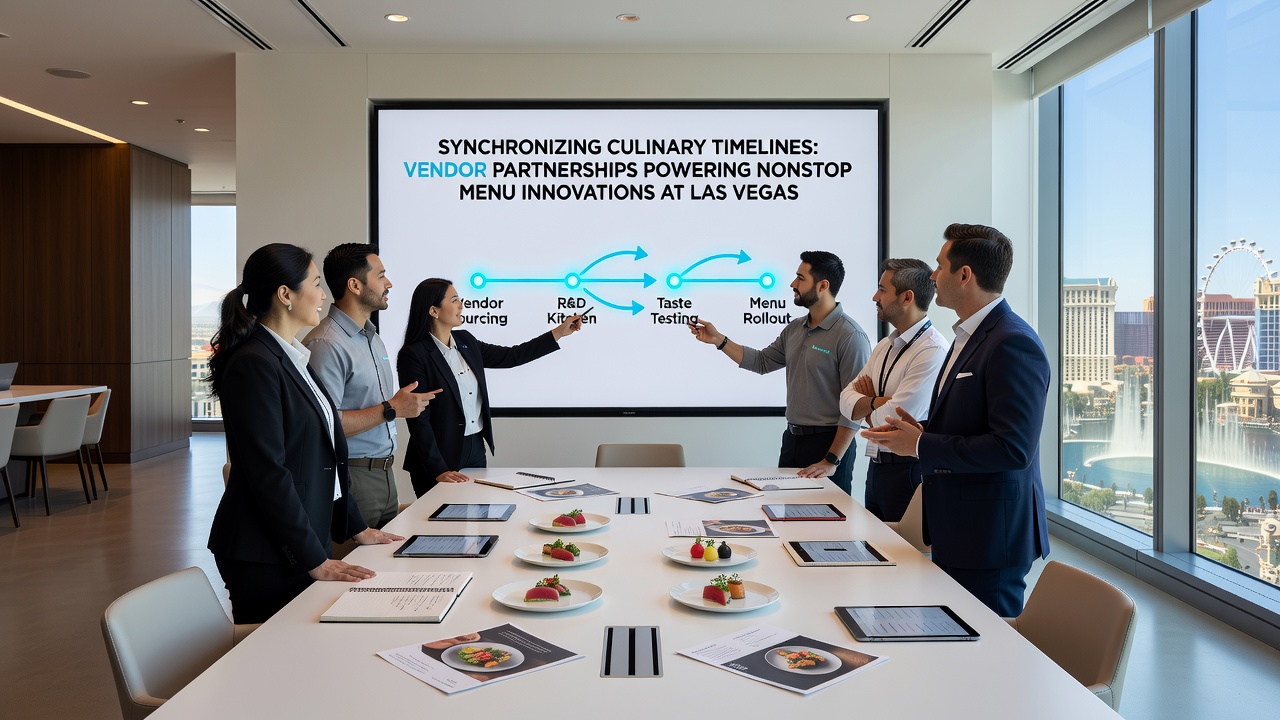
August 2026 brings additional pressure as several properties prepare for expanded convention calendars and late-summer events, requiring vendors to scale up deliveries of high-demand items like fresh herbs and premium proteins ahead of anticipated surges. Those who've studied these operations point out that pre-scheduled adjustments in vendor contracts allow kitchens to test limited-run dishes during slower mid-week periods before rolling them out more broadly.
Case Examples from Operating Properties
One downtown restaurant group expanded its rotating tasting menus by linking directly with three specialty importers who guarantee next-day air freight for rare produce, and this setup enabled the addition of six new items per month without increasing waste percentages. Another Strip buffet operation worked with a national produce distributor to synchronize harvest forecasts from multiple growing regions, which in turn supported daily variations in salad and dessert stations while keeping overall food costs stable according to internal tracking metrics.
Evidence from supply chain analyses reveals that properties using integrated vendor portals experience fewer stockouts during high-traffic weekends, and experts have observed similar benefits in off-Strip neighborhoods where smaller venues share consolidated delivery routes with larger hotels to improve efficiency.
Logistics Infrastructure Supporting the System
Centralized cold storage facilities near McCarran International Airport and along major distribution corridors serve as hubs where vendors consolidate loads before final routing to individual kitchens, and temperature-controlled transport maintains quality across the desert climate. Studies from food logistics research centers indicate that these hubs handle volume increases of up to 40 percent during major events without extending average delivery windows, which helps restaurants maintain innovation schedules even when visitor counts spike.
Partnerships with regional farms have grown in recent years, with some Las Vegas operators committing to fixed purchase volumes that allow growers to plan planting cycles around predicted demand. This arrangement provides restaurants with fresher options while giving vendors predictable revenue streams that support equipment upgrades and expanded capacity.
Conclusion
Las Vegas dining operations demonstrate how vendor partnerships create reliable timelines for ingredient delivery that directly enable ongoing menu development across a wide range of venues. Coordinated logistics, shared data systems, and diversified supplier bases work together to sustain continuous innovation even under fluctuating demand, and these practices are expected to evolve further as new technologies and regional sourcing options emerge by 2026 and beyond.