Tracing the Pulse of After-Dark Logistics: How Supply Chains Fuel Nonstop Entertainment Districts
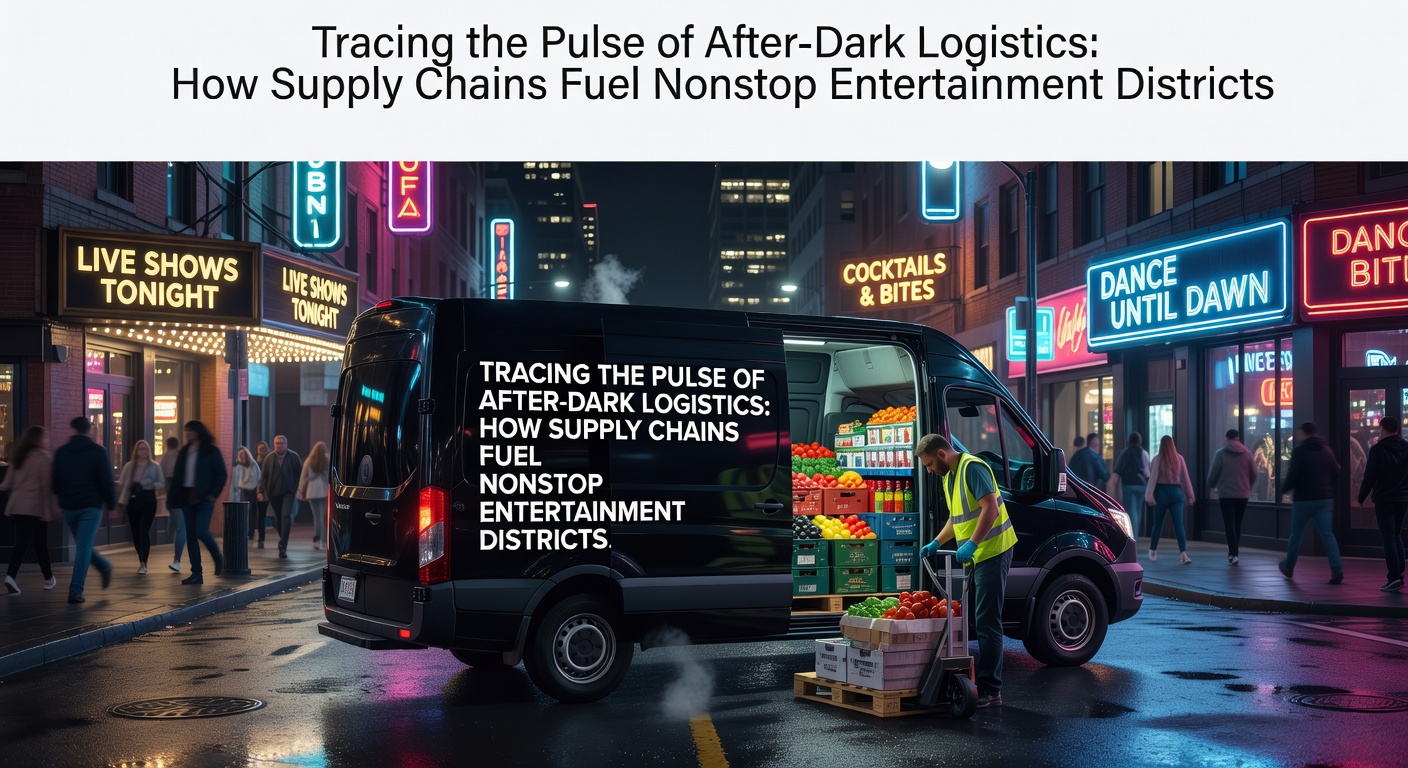
Entertainment districts that operate without pause depend on supply chains designed for continuous movement of goods, from perishable items to specialized equipment, and these networks often reach peak activity during evening and overnight hours when daytime traffic eases and venues prepare for incoming crowds. In major hubs such as Las Vegas, observers note that coordinated deliveries of food, beverages, linens, and technical components arrive through designated loading zones between 10 p.m. and 6 a.m. to minimize disruption to guests while maintaining stock levels for bars, restaurants, and performance spaces that remain open around the clock.
Timing and Coordination in Nighttime Operations
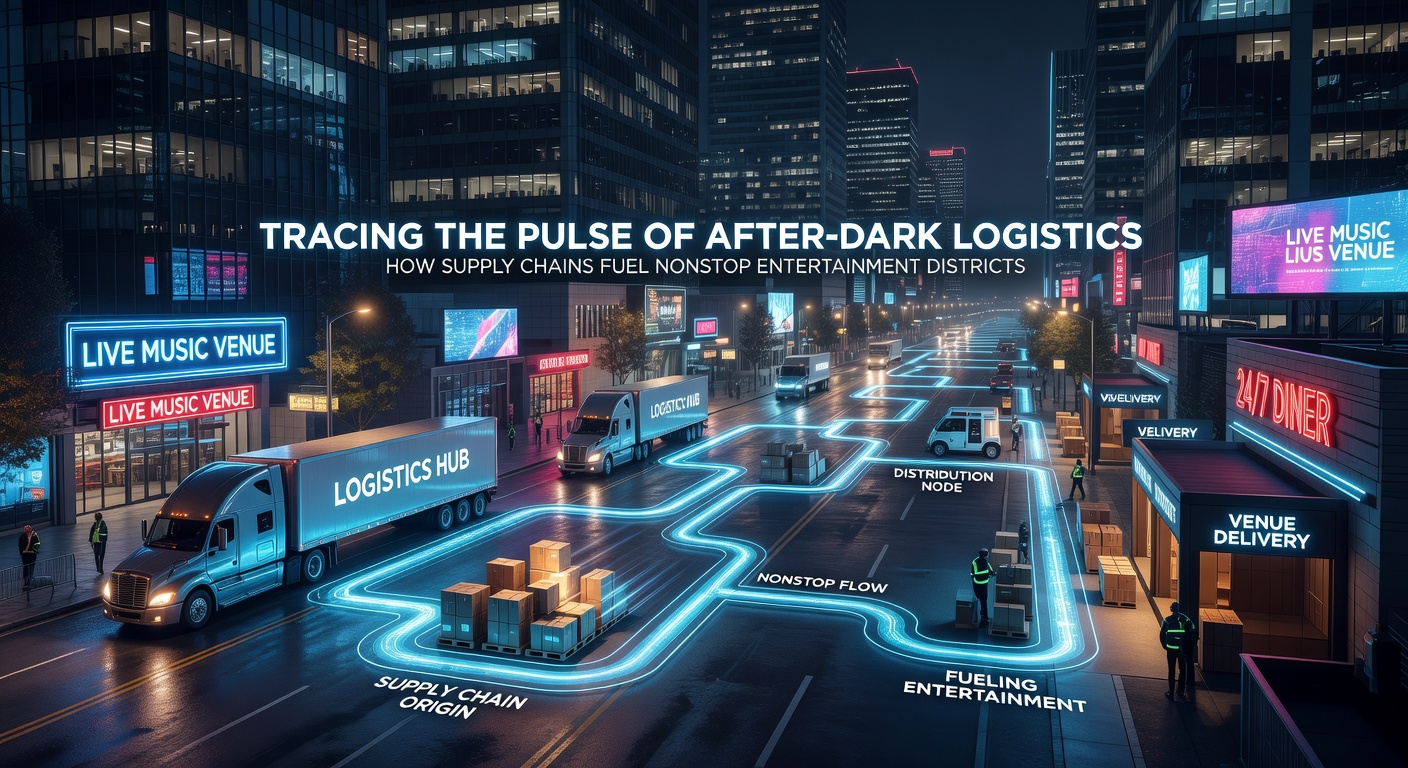
Logistics teams align schedules with venue demands, and this synchronization allows trucks to unload fresh seafood, produce, and spirits at casino loading docks while stage crews receive replacement parts for lighting rigs and sound systems before the next wave of shows begins. Data from the U.S. Department of Transportation shows that freight movement in urban corridors peaks after 9 p.m. in cities with dense entertainment zones because restrictions on daytime commercial traffic push many hauls into quieter periods. Those who manage these routes often use real-time tracking software to adjust for weather, road closures, or sudden spikes in demand during events such as music festivals or sporting tournaments that draw additional visitors.
Venues in these districts place standing orders with regional distributors, yet last-minute adjustments occur when attendance figures exceed forecasts, and suppliers respond by rerouting inventory from secondary warehouses located on the outskirts of the metropolitan area. Research from academic programs at institutions including the University of Nevada, Las Vegas indicates that such flexibility reduces stockouts by measurable percentages during high-traffic weekends, and the same studies highlight how temperature-controlled vehicles preserve product integrity during the final miles of transit.
Core Elements Moving Through the Pipeline
Food and beverage items form the largest volume category, with daily shipments of ice, garnishes, and prepared components arriving alongside bulk deliveries of cleaning supplies and uniform replacements for hospitality staff. Technical logistics add another layer because pyrotechnics, rigging cables, and audiovisual gear require secure handling and specialized transport that complies with safety regulations enforced by federal and state agencies. Waste removal services also operate on staggered overnight routes, collecting recyclables, grease, and general refuse from multiple properties in a single circuit to keep sidewalks and service alleys clear before morning foot traffic resumes.
Staffing logistics intersect with material flows when shuttle services transport employees to and from remote parking areas or housing complexes, and workforce management platforms integrate with inventory systems to predict labor needs based on projected delivery volumes. One study of desert-region entertainment complexes revealed that cross-training between receiving crews and floor staff improves throughput during peak overnight windows, allowing teams to handle both incoming pallets and immediate restocking without extending shift lengths beyond regulatory limits.
Adaptations for Seasonal and Event-Driven Demand
As May 2026 approaches, planners anticipate increased pressure on existing routes because multiple large-scale conventions and outdoor festivals are scheduled to overlap with regular weekend visitor surges, prompting distributors to pre-position additional refrigerated trailers at satellite facilities. Industry reports note that advance staging of non-perishable goods such as bottled beverages and disposables helps absorb sudden order increases without requiring extra trips during already congested overnight periods. Observers have documented how partnerships between venues and third-party logistics providers allow shared trailer space, which cuts fuel consumption and reduces the total number of vehicles entering the district each night.
Technology plays a growing role in these adaptations, with GPS-enabled sensors monitoring cargo conditions and automated gate systems at properties granting access only during approved windows to maintain security protocols. Those who oversee compliance track hours-of-service rules for drivers while coordinating with local authorities on temporary lane closures that facilitate faster unloading near high-volume intersections. Data compiled by transportation research groups shows measurable reductions in delivery delays when venues share forecasted demand data with suppliers at least 48 hours in advance, allowing carriers to optimize load sequencing and routing.
Conclusion
The infrastructure supporting nonstop entertainment districts operates through layered coordination of timing, inventory management, and regulatory compliance that keeps goods and equipment circulating even as daytime activity subsides. Continued refinement of these networks, including expanded use of predictive analytics and shared logistics resources, sustains the operational tempo required by venues that never fully close. As visitor volumes fluctuate with seasonal events and economic cycles, supply chain participants adjust routes and schedules to match observed patterns rather than relying on fixed assumptions.