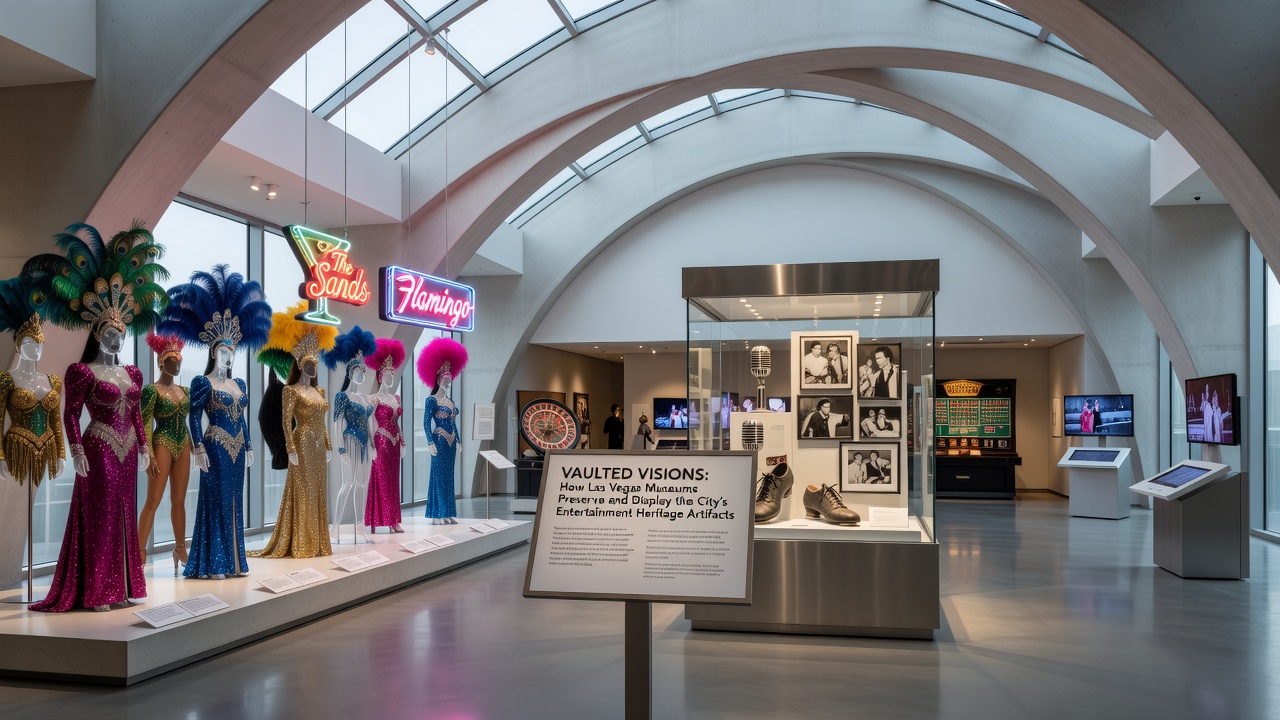
Vaulted Visions: How Las Vegas Museums Preserve and Display the City's Entertainment Heritage Artifacts
Las Vegas museums maintain extensive collections of entertainment artifacts that span decades of performances, casino operations, and cultural shifts, and these institutions apply specialized techniques to protect items ranging from sequined costumes to vintage slot machines. Curators document each piece through photography, material analysis, and provenance records before storage or exhibition, while climate control systems counteract the desert environment that accelerates degradation of fabrics, metals, and plastics. The Neon Museum houses thousands of signs recovered from the Strip and downtown, and staff members disassemble, clean, and stabilize components using corrosion inhibitors and structural reinforcements that prevent further deterioration during outdoor display. Meanwhile the Mob Museum integrates gaming paraphernalia and show business memorabilia into permanent galleries where interactive elements allow visitors to examine replicas alongside original artifacts that underwent conservation treatment prior to installation.Storage Protocols and Environmental Controls
Collections staff maintain vault temperatures between 65 and 70 degrees Fahrenheit with relative humidity held at 40 to 45 percent, conditions that slow oxidation on metallic objects and inhibit mold growth on textiles according to guidelines issued by the Smithsonian Institution. Archival boxes constructed from acid-free board protect delicate headpieces and stage props, and each container receives barcoded labels linked to a digital database that tracks movement and condition reports over time.
Researchers at the University of Nevada Las Vegas documented how ultraviolet-filtered lighting and periodic rotation of displayed items reduce cumulative light damage, while anoxic enclosures safeguard organic materials from insect infestation without chemical pesticides.
Display Strategies Across Multiple Venues
Museums coordinate with production companies to acquire pieces at the close of long-running shows, and conservators then stabilize these items before they enter rotation through temporary exhibits that highlight specific eras or performers. Digital projections and audio recordings supplement physical objects, creating layered narratives that place artifacts within their original performance contexts without requiring constant handling.
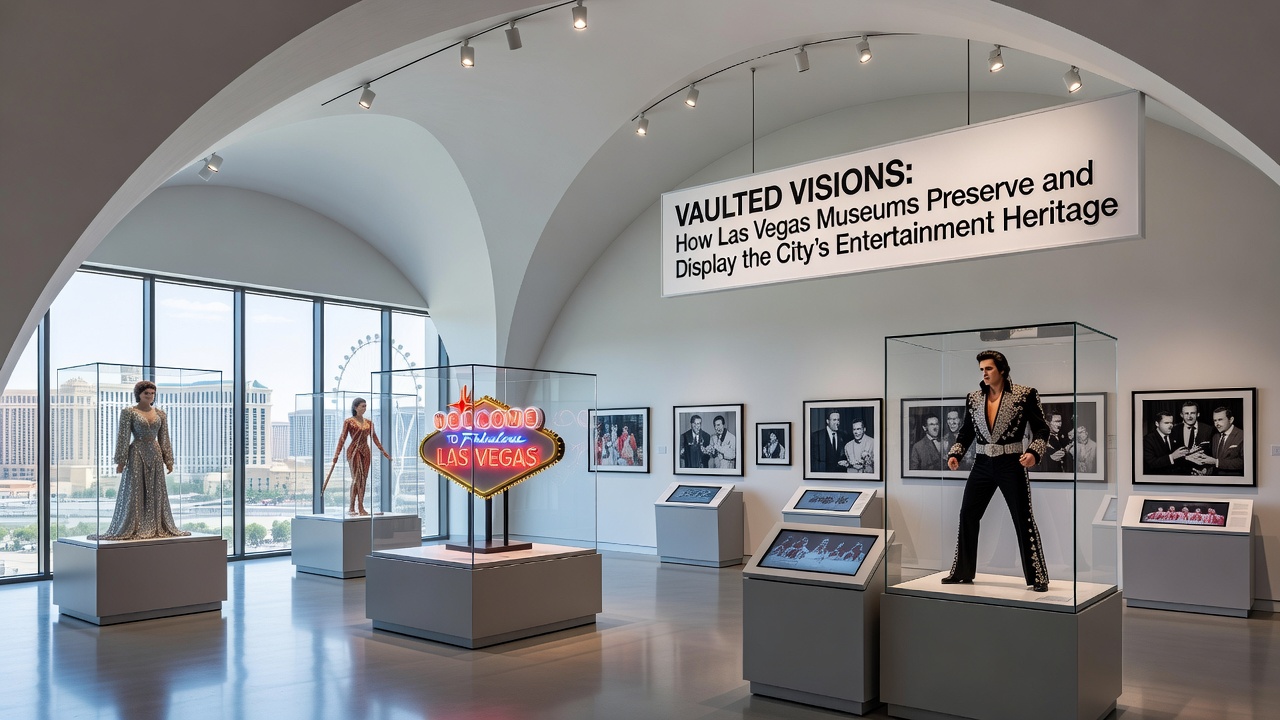
Exhibition designers incorporate modular cases that permit rapid reconfiguration for new shows, and motion-sensor lighting activates only when visitors approach, limiting total light exposure across the collection. In July 2026 the Neon Museum plans to open a dedicated wing featuring restored marquees from venues that closed in the previous decade, complete with interpretive panels drawn from oral histories collected from former sign technicians.
Collaborations and Acquisition Practices
Institutions partner with private collectors and casino operators through formal donation agreements that include deed-of-gift documentation and rights to reproduce images for educational purposes. The National Trust for Historic Preservation has recognized several of these partnerships for establishing model procedures that balance public access with long-term preservation needs. Acquisitions focus on representative examples from each decade, ensuring chronological coverage of entertainment trends while avoiding duplication of similar pieces already in storage.
Conclusion
Las Vegas museums continue refining conservation methods and exhibition formats to keep entertainment heritage accessible for future generations, and ongoing training programs ensure staff remain current with advances in materials science and digital documentation. These efforts sustain physical connections to the city's performance history while adapting to evolving visitor expectations and environmental challenges.