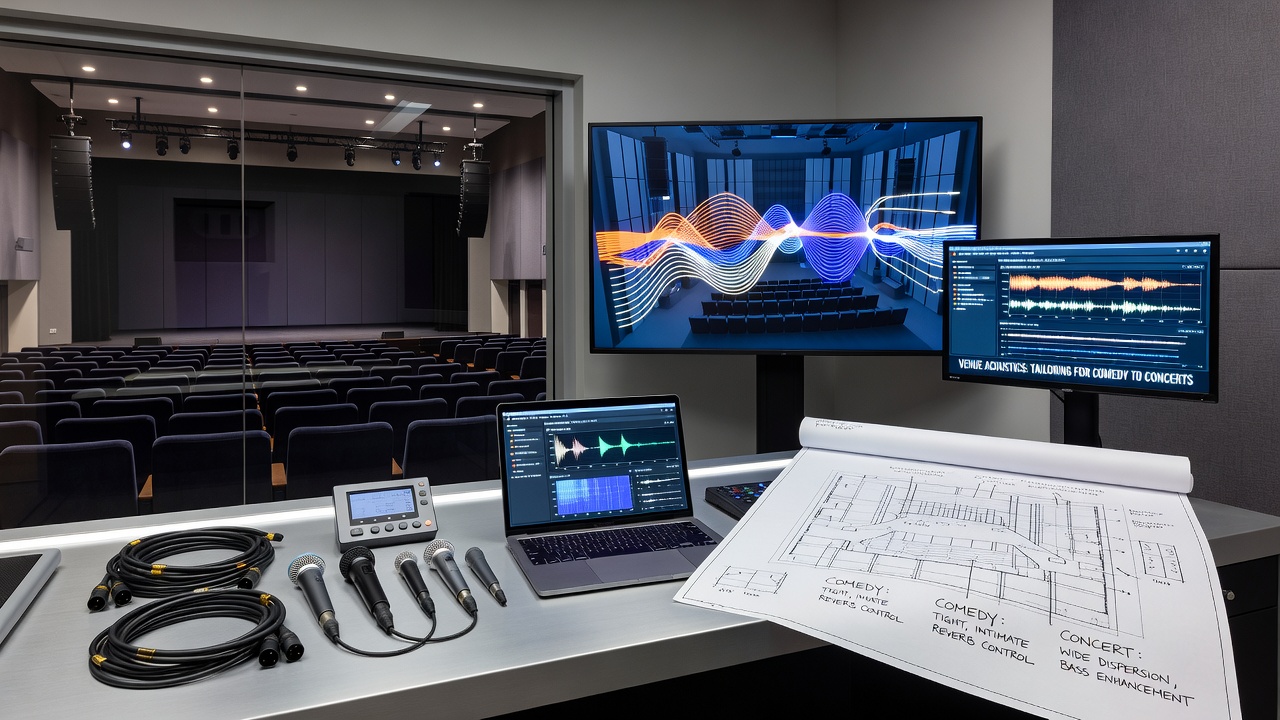
Vegas Venue Acoustics: Tailoring Sound Systems for Diverse Show Formats from Comedy to Concerts
Las Vegas venues adjust sound systems according to performance requirements, and acoustic engineers calibrate equipment differently when comedy acts fill intimate rooms compared to high-volume concerts that occupy large arenas, while data from industry reports shows these adaptations maintain consistent audio quality across formats.
Core Principles of Venue Sound Design
Acoustic teams analyze room dimensions, surface materials, and audience seating patterns before selecting speaker configurations, and they apply digital signal processing to control reflections that could distort spoken words during stand-up routines or overwhelm musical frequencies in live band settings. Research from the Audio Engineering Society indicates that frequency response curves get tuned to emphasize vocal clarity in smaller spaces, whereas concert setups prioritize subwoofer arrays for bass extension and line array systems for even coverage across thousands of seats.
Engineers measure reverberation times with calibrated microphones during setup phases, and they adjust absorption panels plus reflective surfaces to meet target decay rates that suit each event type, while venues in the Las Vegas area often incorporate modular acoustic treatments that crews reposition between shows.
Adapting Systems for Comedy Performances
Comedy shows demand precise speech intelligibility, so technicians route signals through processors that reduce low-frequency buildup and enhance midrange presence, and they position monitors at ear level to prevent feedback loops when performers move across stages. Observers note that delay settings get shortened in these environments to preserve natural timing of punchlines, whereas ambient noise from HVAC systems undergoes active cancellation through microphone arrays positioned around seating sections.
Many comedy clubs install cardioid subwoofers that direct energy away from audience areas, and this approach limits unwanted rumble while preserving the intimate atmosphere required for audience interaction during routines.
Scaling Up for Concert Formats
Concert productions require higher sound pressure levels and broader dynamic range, so crews deploy flown line arrays alongside ground-stacked bass cabinets that create uniform coverage from front rows to upper balconies. Data from acoustic studies at institutions such as the University of Nevada, Las Vegas demonstrates how time alignment software synchronizes arrivals of sound waves from multiple sources, and this synchronization prevents comb filtering effects that blur musical details during high-energy sets.
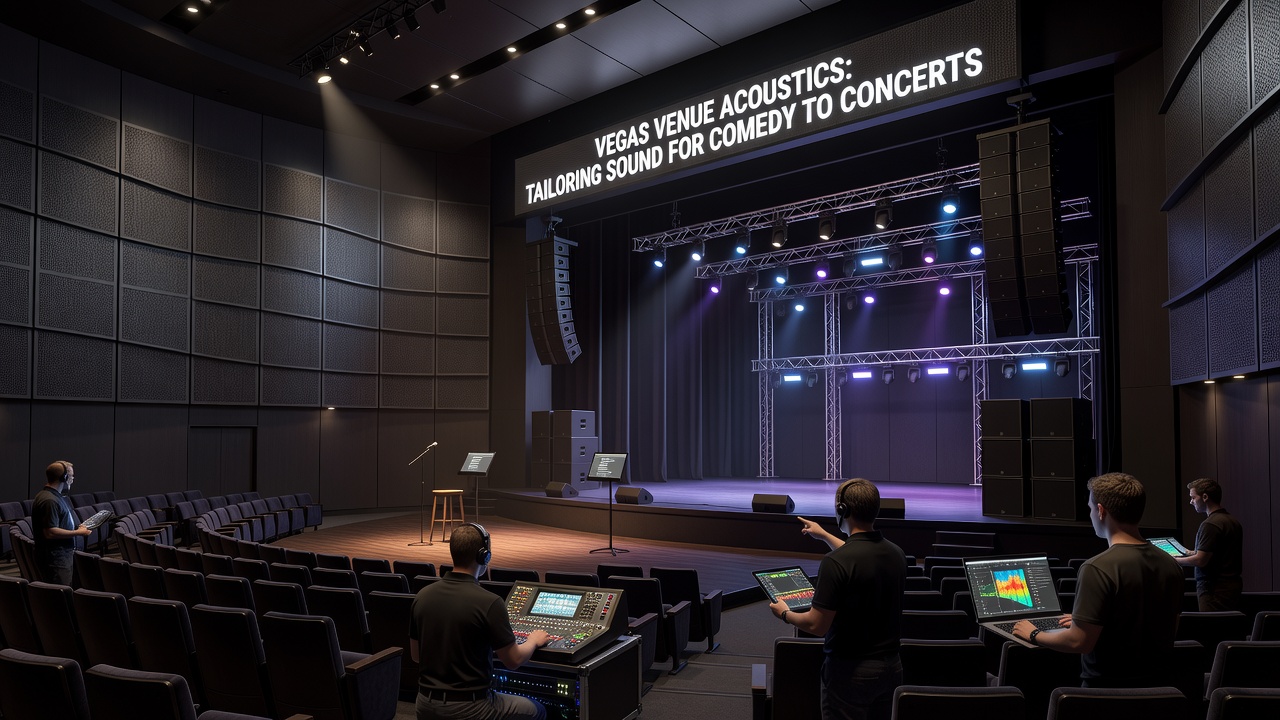
Outdoor amphitheaters incorporate weatherproof enclosures and wind-resistant rigging, while indoor arenas use beam steering technology to steer coverage toward seating tiers and away from reflective walls that could generate echoes during extended performances. June 2026 schedules include multiple multi-day music events that will test these scaled systems under continuous operation.
Integration of Advanced Technologies
Digital audio networks allow real-time adjustments from central control stations, and engineers monitor levels through networked metering that tracks every zone independently during both spoken-word and full-band programs. Those who manage these installations report that redundant power supplies plus backup amplifiers prevent interruptions when switching between formats on the same day.
Wireless microphone systems operate on coordinated frequency plans that avoid interference from nearby productions, and antenna distribution networks maintain signal stability across stages that host everything from solo comedians to full orchestras with amplified sections.
Case Examples from Operating Venues
One arena hosting rotating weekly shows recalibrates its main arrays each morning according to the evening's program requirements, and staff document settings in databases that allow quick recall for repeat bookings. Another theater employs zoned ceiling speakers for comedy nights that transition to full-range side fills when concerts occupy the same space later in the week.
These practices align with guidelines from organizations such as the National Association of Music Merchants that emphasize consistent measurement protocols across different performance categories.
Conclusion
Sound system tailoring in Las Vegas venues follows established acoustic engineering methods that address specific demands of comedy and concert formats through targeted equipment selection, processing adjustments, and ongoing calibration. Data from ongoing installations confirms these strategies support reliable audio delivery as event calendars continue to evolve.