Wheels in the Desert: How Las Vegas Maintains Its Massive Observation Decks and Ferris Attractions
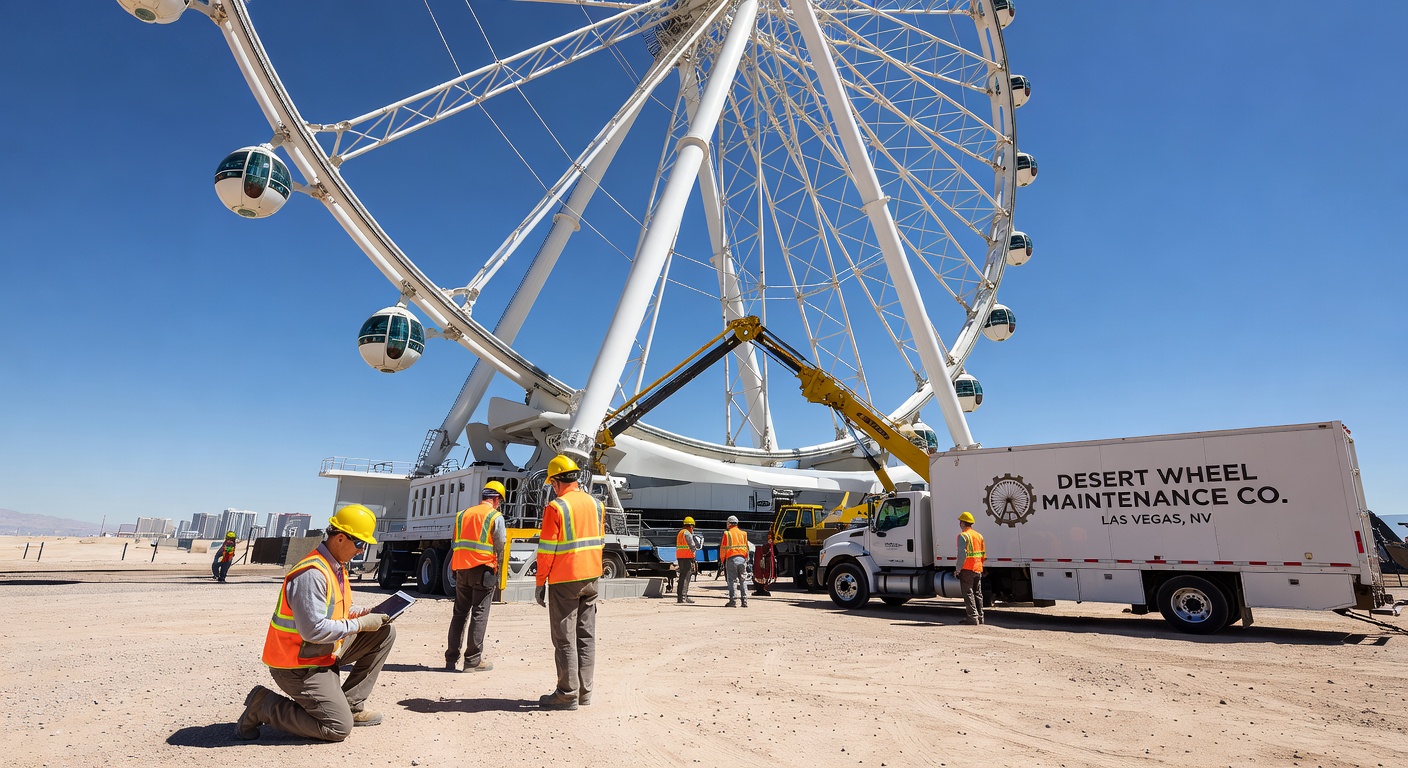
Las Vegas attractions such as the High Roller Ferris wheel and elevated observation decks operate in an environment where temperatures exceed 110 degrees Fahrenheit during summer months, dust storms occur frequently, and wind gusts reach speeds that test structural integrity on a regular basis. Maintenance teams address these conditions through scheduled inspections, specialized coatings, and mechanical adjustments that keep passenger cabins, support structures, and viewing platforms operational year round. Engineers apply corrosion-resistant materials to steel frameworks because the combination of intense sunlight and occasional moisture from monsoon rains accelerates wear on exposed surfaces. Data from regional climate monitoring stations shows that ultraviolet radiation levels in southern Nevada rank among the highest in the United States, which prompts crews to reapply protective sealants at intervals determined by material testing rather than fixed calendars.Structural Monitoring and Daily Operations
Daily routines include sensor checks that track vibration patterns, temperature differentials across beams, and alignment of rotating components on Ferris attractions. Technicians record readings from strain gauges embedded in support towers, then compare those figures against baseline measurements established during initial installation. When deviations appear, teams schedule targeted repairs before they affect ride performance or safety margins.
Observation decks rely on similar protocols yet face additional demands from pedestrian traffic and glass panel integrity. Workers clean surfaces with non-abrasive solutions that remove accumulated grit without scratching viewing windows, while automated systems monitor seal integrity around edges where desert dust can infiltrate over time. Those responsible for these tasks often complete rounds before peak visitor hours to minimize disruption.
Climate-Specific Maintenance Techniques
Heat expansion presents a constant variable because metal components lengthen measurably when daytime temperatures climb and contract rapidly after sunset. Maintenance logs document adjustments to tension cables and joint fittings that accommodate these cycles without compromising stability. Lubricants formulated for high-temperature environments receive application at bearings and pivot points to prevent seizing during extended operation periods.
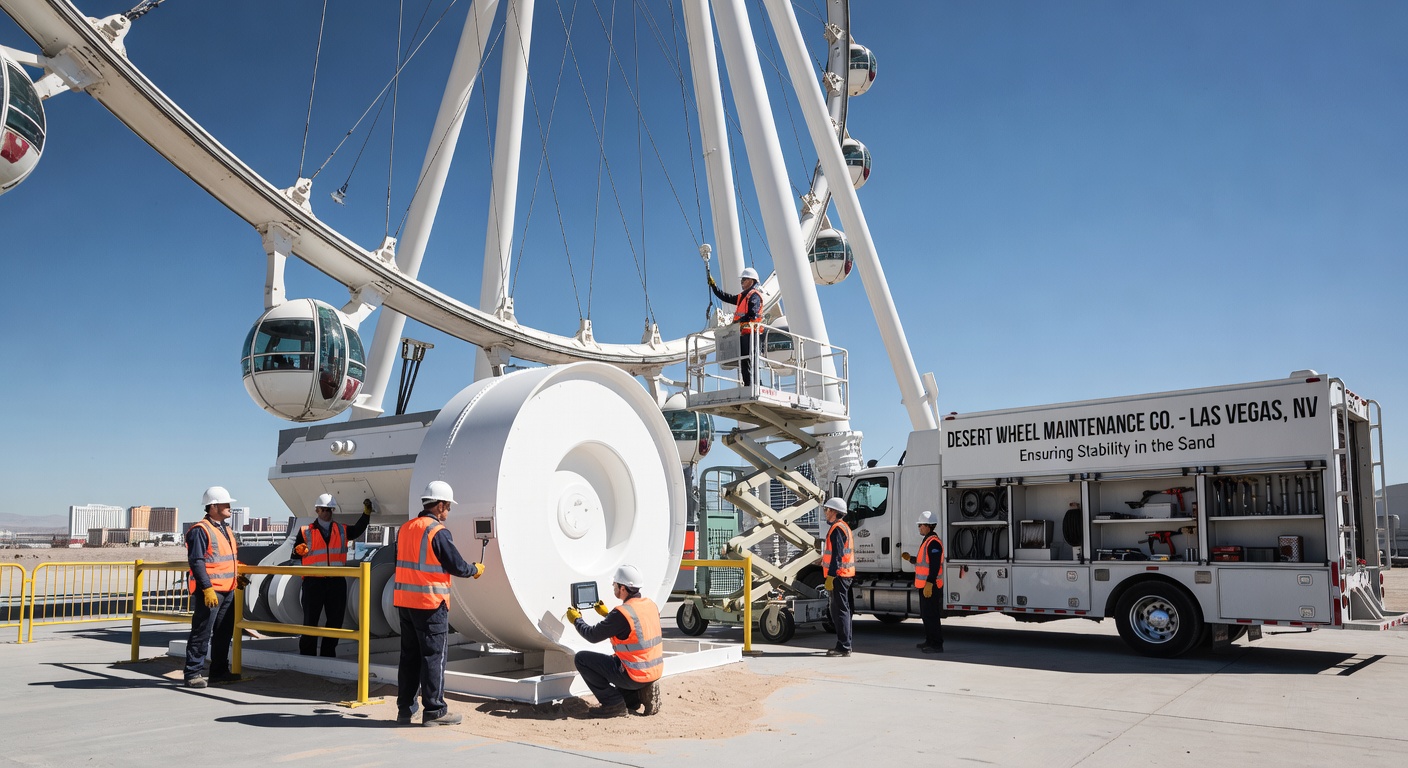
Wind loads receive particular attention during seasonal transitions when gusts strengthen across the valley floor. Crews review anemometer data from on-site stations and cross-reference it with engineering models that predict stress distribution along wheel rims and deck railings. Reinforcement brackets and damping systems undergo verification to confirm they continue meeting design specifications under documented maximum wind events.
Regulatory Compliance and Inspection Schedules
Clark County building officials require periodic structural assessments that align with Nevada state guidelines for amusement rides and public viewing platforms. These evaluations incorporate non-destructive testing methods such as ultrasonic scans and magnetic particle inspections to detect subsurface flaws in critical welds and fasteners. Records from past cycles indicate that proactive component replacements occur well before any threshold for mandatory removal from service.
Industry reports from organizations focused on arid-region engineering note that facilities in comparable desert climates implement similar multi-layered approaches to equipment longevity. Teams coordinate with suppliers to source parts rated for prolonged exposure to abrasive particles and thermal cycling, which reduces the frequency of unplanned downtime across multiple attractions.
Upcoming Activities in May 2026
Plans for May 2026 include a comprehensive systems review for the High Roller and adjacent observation structures, timed to precede the summer peak attendance period. Engineers will conduct full-load testing alongside detailed examinations of drive motors, electrical distribution networks, and emergency braking assemblies. Coordination with local utilities ensures power interruptions remain brief while crews complete these assessments.
Additional work involves updating software controls that manage cabin rotation speeds and climate regulation inside enclosed gondolas. Data collected during these procedures feeds into predictive maintenance models that forecast component lifespan based on actual usage patterns rather than manufacturer averages alone.
Conclusion
Maintenance of large-scale observation decks and Ferris attractions in Las Vegas centers on adapting standard engineering practices to extreme desert conditions through continuous monitoring, material science applications, and adherence to established regulatory frameworks. Teams document every adjustment and replacement, which builds an operational history that supports reliable performance across changing environmental demands. These efforts sustain public access to elevated views of the city and surrounding landscape while meeting safety and operational standards set by relevant authorities.